MS-LS1-3
Use argument supported by evidence for how the body is a system of interacting subsystems composed of groups of cells.
- Health & Medicine
Science works to demystify hair and help it behave
Research explores new ways to classify hair — from loose curls to tight coils — along with ways to control it and improve its looks and health.
- Animals
In 2024, bird flu posed big risks — and to far more than birds
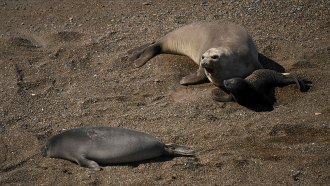
Cows, elephant seals and polar bears are among unexpected bird flu casualties. Learn about potential risks to them, to people and to our food supplies.
- Animals
Can furry pets get H5N1 bird flu and spread it to us?
The 2024 pandemic-style bird flu circulating in birds has shown up in cats and other pet species.
- Health & Medicine
Explainer: Anatomy of a heartbeat
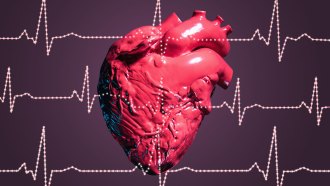
Here’s how the heart pumps blood to each and every cell of the body. It beats roughly 60 times every minute, starting before we’re born.
- Brain
Zap, zap, zap! Our bodies are electric
Electricity powers key functions in the brain, heart and bone. Scientists are working to understand those currents to improve our health and moods.
- Animals
Scientists Say: Compound Eye
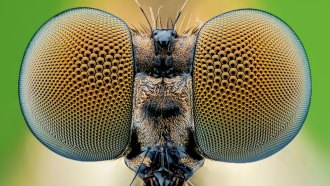
Compound eyes made up of many smaller visual structures may not produce crisp images, but they offer a great field of view.
- Physics
The movie Frozen inspired the icy, 3-D printing of blood vessels
Ice guides a 3-D printing method to make realistic, artificial blood vessels. One day, such vessels could be used in lab-grown organs.
- Health & Medicine
Too much noise can harm far more than our ears
Sure, loud or unwanted sounds can damage hearing. But they also can disrupt learning, stress us out and more.
- Microbes
What the weird world of protists can teach us about life on Earth
Microbes vastly outnumber multicellular life on Earth. A close-up look at protists highlights how much we don't know about the microscopic world.
- Plants
Rampaging vines are slowly strangling tropical forests
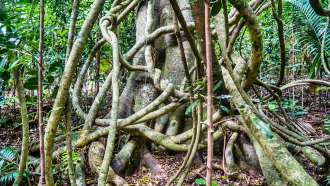
Called lianas,these vines are growing out of control. They may cause tropical forests to absorb less carbon dioxide — worsening climate change.
- Tech
Balsa wood transistors could usher in ‘greener’ electronics
Researchers in Sweden coaxed wood to conduct electricity, then used it to make a climate-friendlier building block of electronics.
- Tech
Bits of trees can make and store energy for us to use
This cellulose and lignin, two major building blocks of trees, could lead to greener electronics.