MS-LS1-3
Use argument supported by evidence for how the body is a system of interacting subsystems composed of groups of cells.
- Chemistry
Scientists Say: Lipid
These oily, water-repelling molecules knit together, forming the membranes that sustain life.
- Humans
After every soak, fingers wrinkle — and always the same way
Fingertip folds aren’t super swollen. Blood vessels constrict and pull skin inward, forming wrinkles.
- Health & Medicine
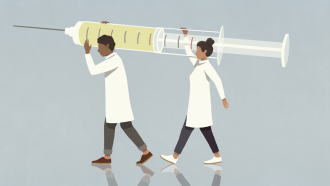
Let’s learn about vaccines
These medical treatments have saved millions of lives and spared many others from seriously unpleasant infections.
- Animals
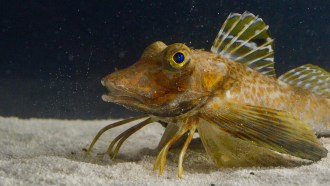
Some fish have legs that can taste prey underfoot
Taste buds on those legs may explain why northern sea robins are so good at finding food that is buried in the sandy seafloor.
- Health & Medicine
Explainer: What is cancer?
Cancer is a whole collection of diseases with one thing in common: all develop when the body’s cells start dividing out of control.
- Health & Medicine
Scratching an itch has both good effects and bad
Mice that scratch itchy ears trigger more redness and swelling — but also may combat harmful bacteria.
- Health & Medicine
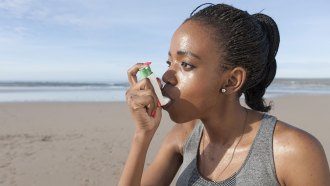
Explainer: What is asthma and how is it treated?
This chronic narrowing of lung airways can make it hard to breathe. Fortunately, drugs can widen those airways — even in people with severe asthma symptoms.
- Animals
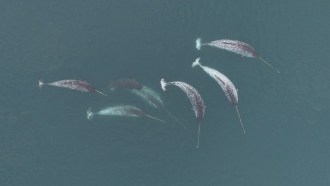
Narwhals may use their enormous lance-like tusks to play
Video shows narwhals using their tusks to prod — even flip — fish they don’t target as prey. It’s the first reported evidence of these whales playing.
- Brain
Scientists Say: Neuroplasticity
Neurons in the brain forge new connections and sometimes trim back old ones. This capacity for change allows us to learn new skills and recover from injury.
- Animals
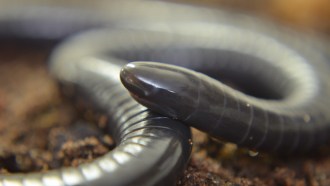
Scientists Say: Caecilian
Some of these amphibians can produce a milk-like liquid for their offspring and give birth to live young. And those aren't the only rules these rebels break.
- Health & Medicine
Can you really die of a broken heart?
Death by heartbreak doesn't just happen in stories. In real life, severe stress can cause takotsubo syndrome — a sometimes fatal heart problem.
- Animals
A surprising number of animals eat poop
A new tally finds more than 150 vertebrate species willing to snack on feces. Eating poop offers nutrients and other benefits.