MS-LS1-3
Use argument supported by evidence for how the body is a system of interacting subsystems composed of groups of cells.
- Animals
Let’s learn about snot
For humans, snot plays a key role in fighting off diseases. Other animals have found different uses for the slimy stuff.
- Climate
Secret forest fungi partner with plants — and help the climate
Forest fungi are far more than mere mushrooms. They explore. They move nutrients and messages between plants. They can even help fight climate change.
- Plants
Scientists Say: Phloem
Phloem is tissue that delivers food, made in leaves during photosynthesis, to the rest of a plant.
- Genetics
Explainer: What is RNA?
A partner to DNA, cells use this molecule to translate the instructions for making all of the many proteins that your body needs to function.
- Life
Well-known wildflower turns out to be a secret meat-eater
Look closely at Triantha occidentalis, and you’ll see gluey hairs — and a trail of insect corpses on its stem.
- Health & Medicine
Scientists Say: Tonsils
The tonsils are pads of tissue in the throat that are part of the body’s immune system.
- Tech
Synthetic trees could tap underground water in arid areas
They also could also help coastal residents mine fresh water from salty sources.
- Health & Medicine
Cannabis may alter a teen’s developing brain
Marijuana use between ages 14 and 19 was linked to faster thinning of brain regions important in decision-making.
- Animals
Here’s how sea otters stay warm without blubber or a large body
For the smallest mammal in the ocean, staying warm is tough. Now, scientists have figured out how the animals’ cells rise to the challenge.
- Animals
Abdominal fuzz makes bee bodies super slippery
Scientists find that tiny hairs on a honeybee’s abdomen reduce wear and tear as a bee’s outer skeletal parts rub against each other all day long.
- Animals
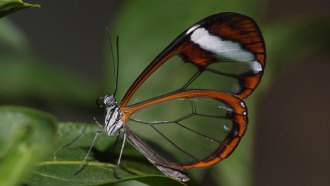
Uncovering secrets of the glasswing butterfly’s see-through wings
The tricks of its transparency include sparse, spindly scales and a waxy coated membrane.
- Animals
A bubble of air lets some lizards breathe underwater
Anolis lizards leap into streams to escape danger. Now researchers have figured out how they can stay underwater for up to a quarter of an hour.