MS-LS1-3
Use argument supported by evidence for how the body is a system of interacting subsystems composed of groups of cells.
- Brain
Kids use more of the brain than adults do to process language
The brain continues to grow and mature throughout childhood. One big change occurs in which parts of the brain turn on as someone processes language.
- Climate
The faster trees grow, the younger they die
As climate change spurs forest tree growth, it also shortens trees’ lives. That results in a quicker release of climate-warming carbon back into the atmosphere.
- Animals
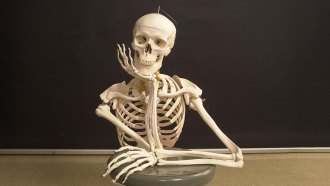
Let’s learn about bones
Bones hold us up and help us fight gravity with every step. They also make blood cells, hormones and more.
- Ecosystems
‘Vampire’ parasite challenges the definition of a plant
Langsdorffia are stripped down to their essentials. Lacking green leaves for photosynthesis, they steal energy and nutrients from other plants.
- Animals
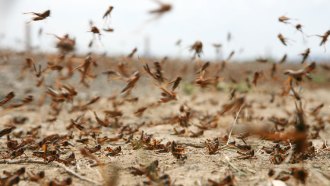
A single chemical may draw lonely locusts into a hungry swarm
Swarms of locusts can destroy crops. Scientists have discovered a chemical that might make locusts come together in huge hungry swarms.
- Health & Medicine
Explainer: What is puberty?
Puberty isn’t just a time for zits, breasts and deeper voices. It also spurs brain development that helps teens handle emotions and deal with stress.
- Brain
You don’t see as much color as you think
It might seem like we live in a world full of color. But when scientists flip it into black and white, most people never notice the switch.
- Animals
Superblack fish can disappear in the deep sea’s darkness
Some fish that live in the ocean’s depths are superblack due to a special layer of light-absorbing structures in their skin.
- Brain
Can we taste fat? The brain thinks so
Scientists had not considered fat a 'taste.' The brain begs to differ, new data show.
- Health & Medicine
Explainer: What are Antibodies?
Antibodies are one of the major players in the immune system’s attack against germs. Learn what they are, what they do and how they keep us healthy.
- Health & Medicine
Remdesivir is looking even better at fighting COVID-19
New studies suggest the drug remdesivir not only speeds recovery of COVID-19 patients in the hospital, but lowers their risk of death from the virus.
- Brain
Explainer: How our eyes make sense of light
It takes a lot for images before the eyes to be 'seen.' It starts by special cells sensing the light, then signals relaying those data to the brain.