MS-LS1-4
Use argument based on empirical evidence and scientific reasoning to support an explanation for how characteristic animal behaviors and specialized plant structures affect the probability of successful reproduction of animals and plants respectively.
- Ecosystems
Restoring giant underwater forests, one blade at a time
Giant kelp are at risk due to climate change and human activities. In New Zealand, a community effort is rebuilding these underwater algal forests.
- Climate
Some tree leaves are finding it too hot for photosynthesis
Earth’s ongoing fever threatens to push entire forests toward this heat limit — and possible death.
- Plants
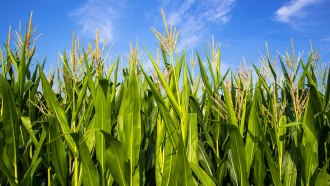
Young corn leaves can ‘smell’ danger
As they mature, these leaves lose their ability to detect threatening scents.
- Plants
Scientists Say: Fertilize
This word describes both a stage of sexual reproduction and the agricultural practice of adding nutrients to soil.
- Animals
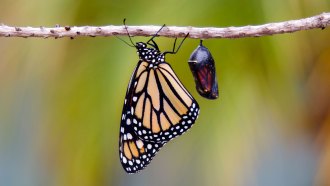
Explainer: What is metamorphosis?
Insects, amphibians and some fish undergo metamorphosis. But they’re not the only ones.
- Animals
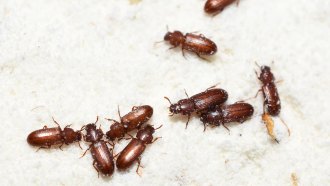
These beetles ‘drink’ water using their butts
Red flour beetles can survive in very dry environments. New research shows how the beetles can suck water from the air using their rear ends.
- Animals
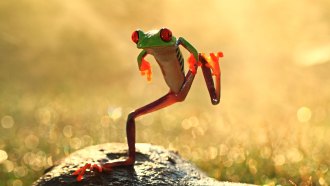
Let’s learn about frogs
Frogs are a fascinating bunch of amphibians. Unfortunately, they’re also dying off in huge numbers.
- Animals
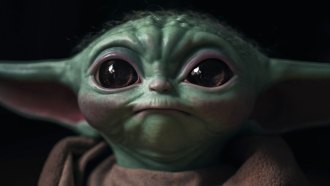
How can Baby Yoda be 50 years old?
Animals with wings, big bodies or other protections from predators are more likely to evolve long lifespans.
- Animals
Scientists Say: Metamorphosis
Animals that go through metamorphosis look very different as adults than they did as kids.
- Plants
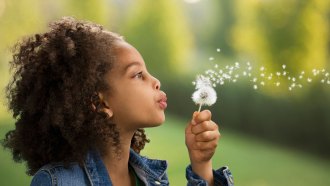
Why dandelions are so good at widely spreading their seeds
Individual seeds on a dandelion release most easily in response to winds from a specific direction. As the wind shifts, this scatters the seeds widely.
- Animals
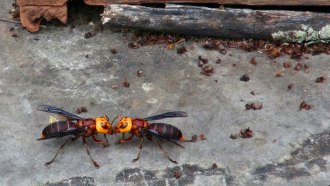
The scent of queen ‘murder hornets’ can lure males into traps
Traps baited with compounds found in the mating pheromone of hornet queens attracted thousands of males.
- Animals
See the world through a jumping spider’s eyes — and other senses
Scientists are teasing out the many ways the spiders’ vision, listening and taste senses differ from ours