MS-LS1-4
Use argument based on empirical evidence and scientific reasoning to support an explanation for how characteristic animal behaviors and specialized plant structures affect the probability of successful reproduction of animals and plants respectively.
- Climate
Secret forest fungi partner with plants — and help the climate
Forest fungi are far more than mere mushrooms. They explore. They move nutrients and messages between plants. They can even help fight climate change.
- Plants
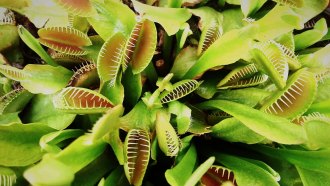
Let’s learn about meat-eating plants
Carnivorous plants use a variety of strategies to lure in and capture their prey, from sticky traps to jawlike leaves.
- Animals
Scientists Say: Marsupial
These mammals are known for riding around in a pouch on their mother’s belly, where they continue developing after they’re born.
- Animals
Most species of beetles pee differently than other insects
Scientists uncover their unique system for balancing ions and water. The findings may hint at why beetles are the most diverse animals on Earth.
- Animals
Explainer: Insects, arachnids and other arthropods
Arthropods are all around us, but identifying them can be hard. To start, look at the four main groups: chelicera, crustaceans, myriapods and insects.
- Animals
Attack of the inner-cannibal mega-shark
The outsized megalodon was a fierce terror that chewed its way across the oceans. It learned to kill even before it was born.
- Animals
Jumping ‘snake worms’ are invading U.S. forests
These bad-news invaders are spreading across the United States. As they turn forest debris into bare ground, soils and ecosystems are changing.
- Animals
When physicians and veterinarians team up, all species benefit
When doctors for people and those for animals share their expertise, they can discover new ways to take better medical care of all species.
- Agriculture
Learning what stresses queen bees could save their hives
Beehives often die off after the queen gets too stressed to make enough babies. New tests could identify what stressed her — and point to solutions.
- Animals
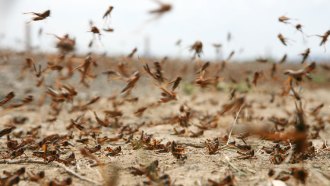
A single chemical may draw lonely locusts into a hungry swarm
Swarms of locusts can destroy crops. Scientists have discovered a chemical that might make locusts come together in huge hungry swarms.
- Microbes
Some deep-seafloor microbes still alive after 100 million years!
Some starving microbes nap while awaiting their next meal. For some living miles below the ocean surface, that nap may exceed 100 million years.
- Health & Medicine
Explainer: What is puberty?
Puberty isn’t just a time for zits, breasts and deeper voices. It also spurs brain development that helps teens handle emotions and deal with stress.