Life
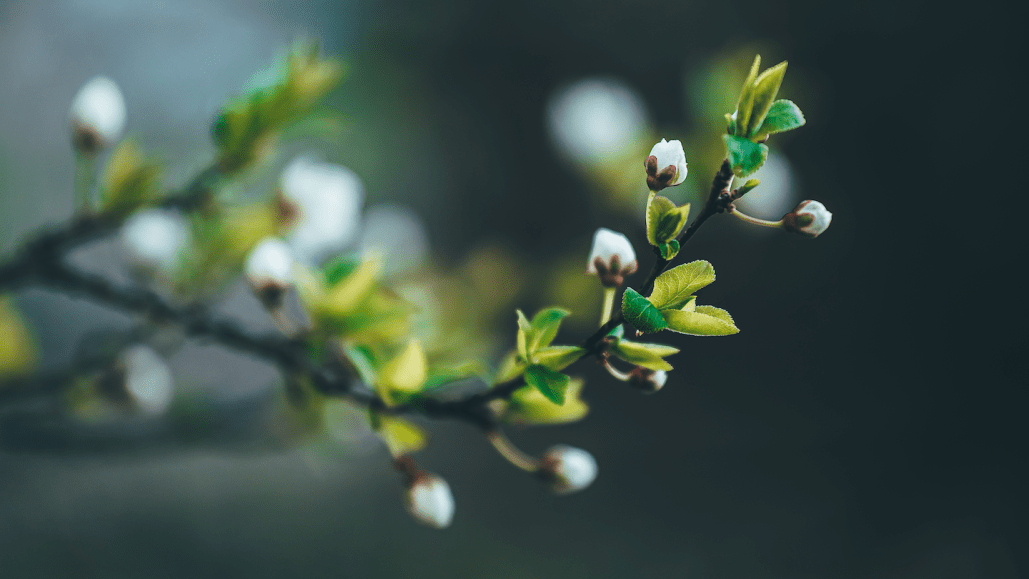
Scientists Say: Phenology
This field of science identifies the environmental cues behind life cycle patterns.
Human kiddos are generally too closely supervised to be able to monkey around as much as young chimps. Instead, older kids — teens — are usually the bigger risk takers.
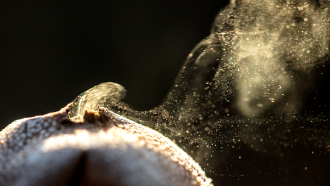
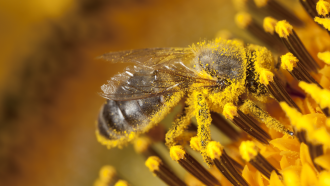
Plants call upon wind, water or helpful animals to carry out this crucial step of their life cycle.
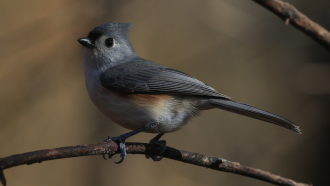
Based on the Greek words for theft and hair, kleptotrichy is a more common bird behavior than people thought.
The axolotl program's success shows promise in helping protect this highly popular amphibian — currently found in only one lake — from dying out in the wild.
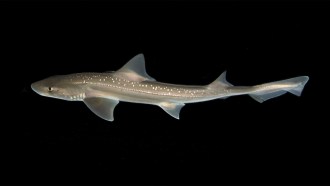
The undersea world can host a symphony of fish grunts, hums and growls. Now add tooth-clacking sharks to the score.
Trying to define sex with just two options fails to reflect the wide range of natural variation in human genetics, hormones and biology.
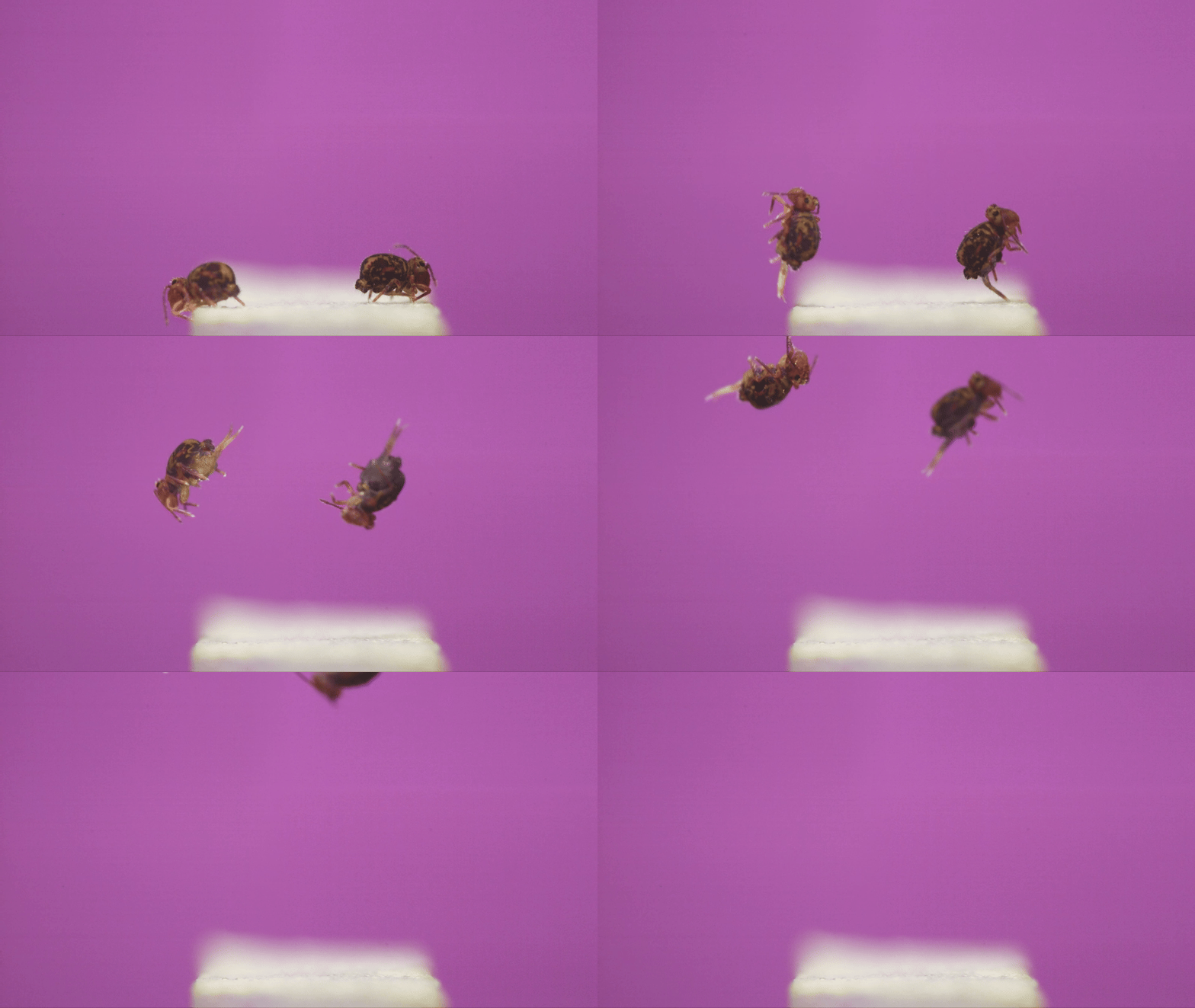
Globular springtails can seem to vanish as they spin backwards at rates of up to 368 rotations per second! So don’t blink.
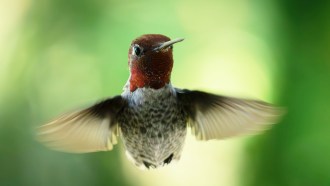
Anna’s hummingbirds can use a couple of different techniques to get through gaps smaller than their wingspan.
Microbes vastly outnumber multicellular life on Earth. A close-up look at protists highlights how much we don't know about the microscopic world.