MS-LS4-5
Gather and synthesize information about the technologies that have changed the way humans influence the inheritance of desired traits in organisms.
- Animals
What we can — and can’t — learn from our pets’ DNA
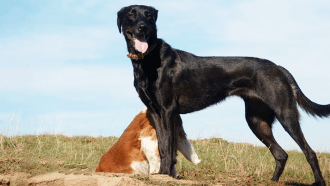
Your dog or cat’s DNA is an open book. DNA tests tell people about their pet’s breed and attempt to predict things about its behavior and health.
- Animals
Cool Jobs: Diving for new medicines
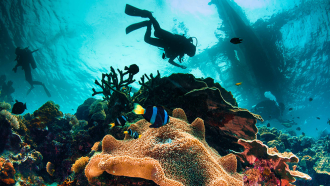
Scientists mix research with underwater adventure as they search the oceans for new chemicals to treat infections, cancer and more.
- Genetics
Explainer: Why scientists sometimes ‘knock out’ genes
How do we learn what a particular molecule does in the body? To find out, scientists often 'knock out' the gene that makes it. Here’s how.
- Agriculture
World’s tallest corn towers nearly 14 meters
Short nights and a genetic tweak helped novel corn reach record heights.
- Animals
The turning of wolves into dogs may have occurred twice
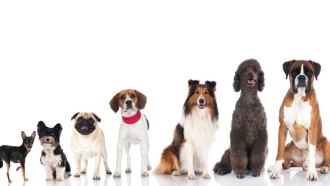
The process of turning wolves into dogs, called domestication, may have occurred twice — in the East and the West — ancient DNA suggest.
- Animals
Wolves beat dogs at problem-solving test
When treats are at stake, wolves outperformed dogs at opening a closed container. The dog’s relationship with humans may explain why.
- Animals
What’s the buzz? A new mosquito lure
Broadcasting a fake buzz can lure male Aedes aegypti mosquitoes away from females. That could reduce populations of these annoying — and disease-causing — insects, reports a teen at the 2015 Intel ISEF competition.
- Agriculture
Livestock: A need to save rare breeds
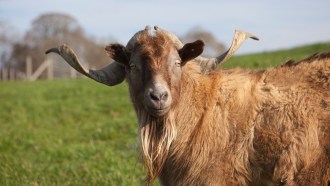
New studies and ongoing work highlight why society should save rare livestock breeds — and the part that technology can play.
- Life
Caught in the act
Scientists observe some evolutionary speed demons as they adapt over the course of just a few years to new environmental conditions.
- Animals
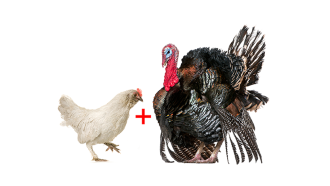
Churk: Not for Thanksgiving
Here’s what happens when livestock breeders cross a chicken and a turkey