MS-PS1-2
Analyze and interpret data on the properties of substances before and after the substances interact to determine if a chemical reaction has occurred.
- Environment
Old clothes soon may be recycled, not trashed
One day, clothes may be recycled almost as much as plastics and glass are now. See how chemists are moving us in that direction.
- Chemistry
Here’s how to make flip-flops biodegradable
Innovative flip-flops made from an algae-based plastic decompose in soil or compost. The comfy shoes also avoid use of fossil fuels.
- Environment
Batteries not included: This Game Boy look-alike doesn’t need them
Game Boy revolutionized the gaming industry. A newer version could help slow the rate of climate change.
- Chemistry
Study acid-base chemistry with at-home volcanoes
Baking soda volcanoes are a fun demonstration, and with a few tweaks they can be an experiment, too
- Chemistry
How to recycle ‘nonrecyclable’ plastics
A new process can convert some nonrecyclable plastics into a type that now can be reused. That could greatly cut down on wastes sent to landfills.
- Physics
The exotic ‘atom’ positronium surprises scientists
New measurements of a weird but simple atom, one without a nucleus, suggest it may have unexpected properties. Scientists find this troubling.
- Chemistry
New solution for carbon dioxide: Turn it into ‘green’ fuel
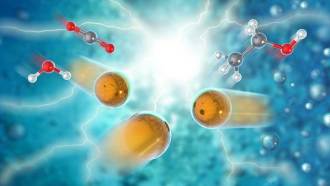
Chemists have created a new way to convert carbon dioxide into ethanol. It might one day help remove excess CO2 — a greenhouse gas — from the air.
- Physics
Explainer: Stars and their families
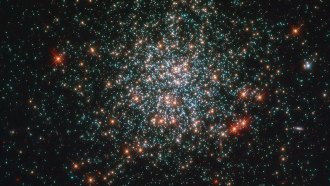
Most pinpoints that light the night sky are raging infernos we call stars. As adults, many will create new elements that they later cast off into the cosmos.
- Physics
Physicists foil classic oobleck science trick
Cornstarch and water — best known as oobleck — solidifies upon impact. Researchers used a new technique to make it stay liquid.
- Life
Planets with hydrogen skies could harbor life
Microbes can live in a hydrogen atmosphere. This points to new space worlds that host alien life.
- Chemistry
COVID-19 victims could breathe easier with these innovations
Feared equipment shortages due to the COVID-19 pandemic have prompted research teams to develop novel technologies to help oxygen-starved lungs.
- Chemistry
Batteries should not burst into flames
Because lithium-ion batteries power modern life, they need to store a lot of energy. Now scientists are focusing on making them safer.