Brain
- Brain
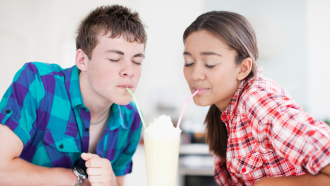
As teens gain weight, they find high-fat foods less pleasurable
Teens who gained excess weight showed less activity in the brain’s reward center when viewing or tasting foods with lots of fat.
- Brain
Sleep may jumpstart the brain’s power washing system
Waves of fluid wash into the human brain during sleep. That’s good. They just may help clean out toxic proteins.
- Brain
The science of ghosts
One in five Americans say they’ve encountered a ghost. But science has no evidence that ghosts are real. Here are more likely explanations.
- Brain
Slower brain development ups a teen’s risk of getting into a car accident
Lack of driving experience isn't the only factor in whether a teen gets into a car crash. Crash risk in young drivers is also related to development of their brains’ working memory.
- Brain
The color of body fat might affect how trim people are
Brown fat burns calories to keep us warm. Researchers are searching for ways to boost it to help fight obesity and diabetes.
- Brain
Brain ‘ripples’ appear just before you remember something
Nerve cells in the brain’s hippocampus, a key memory center, fire together a second or two before people begin to recall an image, data now show.
- Brain
Routine hits in a single football season may harm players’ brains
A group of college football players underwent brain scans after a season of play. The results suggest playing the sport could harm neural signaling.
- Brain
Lasers make mice hallucinate
Scientists used a technique called optogenetics to make mice “see” vertical or horizontal lines that didn’t actually exist.
- Brain
This brain region may make lifelike robots creep you out
Robots that look too much like real people can be unsettling. Scientists identified a brain region that may be behind these uneasy feelings.
- Brain
High fat diet removes brain’s natural brake on overeating
At least in mice, high-fat diets promote overeating. And the problem appears to trace to changes that these foods make to cells in an appetite-control center within the brain.
- Brain
A sixth finger can prove extra handy
Two people born with six fingers on each hand adeptly control their extra digits, using them to do tasks better than five-fingered hands.
- Science & Society
The U.S. prison system can harm young brains, scientist warns
The U.S. justice system holds teens to adult standards. And that can harm a teen’s developing brain, one researcher now argues.