Brain
- Animals
In a first, scientists keep cells alive in the brains of dead pigs
They’re not true zombies — but these pig brains showed signs of cellular life long after the animals had died.
- Brain
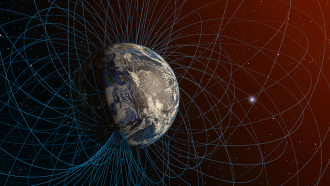
People may indeed have a sixth sense — for magnetism
People may process information about Earth’s magnetic field without knowing it, a study of brain waves suggests.
- Brain
Art can make science easier to remember
Students who learn science using art remember what they learned longer than those in regular classes.
- Brain
What part of us knows right from wrong?
Our conscience may have evolved from our need to cooperate. Scientists are learning where the brain’s moral centers are, and how they make us human.
- Brain
Expecting pain? That could really make it hurt worse
How much someone expects something to hurt affects how their brain processes the pain, and how well they learn from it.
- Brain
Marijuana use may affect decision-making areas in teen brains
Marijuana use during adolescence may damage decision-making areas of the brain, according to a new study in rats.
- Brain
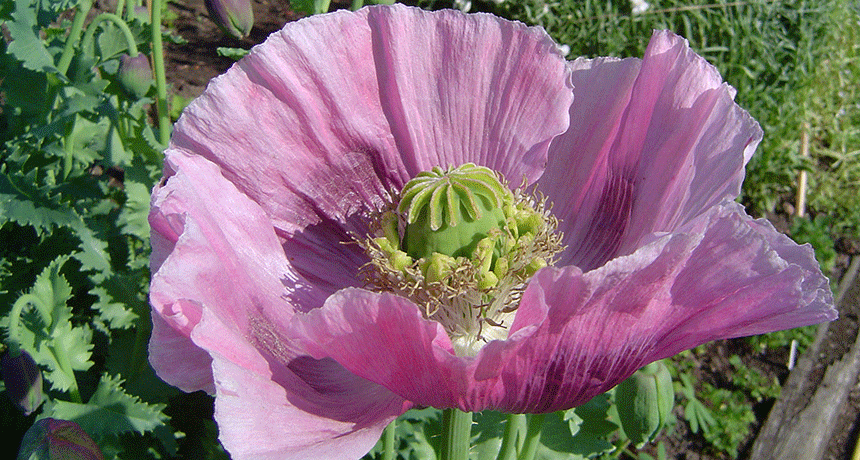
Scientists Say: Opioid
Opioid drugs work in the brain to stop pain. But the drugs also produce pleasure, which can make people want to take them over and over again.
- Health & Medicine
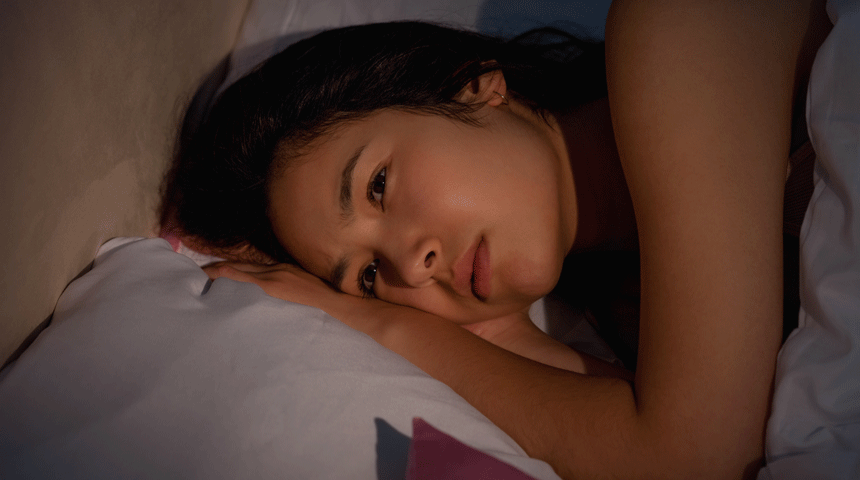
Sleepless nights can leave brains feeling anxious
Pulling an all-nighter boosts anxiety levels — and changes brain activity — the next morning, a new study finds.
- Brain
Zaps to spinal cord help paralyzed people walk
Sending electrical pulses to the spinal cord can help paralyzed people learn to walk again, new tests show.
- Brain
Young people’s memory improves after stopping marijuana use
Paying teens and young adults to stop using marijuana improved their memory within one week. The results hint that some impairments from pot may be reversible — at least for a time.
- Brain
People may be literally led by their noses
The brain links people’s senses of nagivation and smell, according to a new study.
- Brain
How your brain is like a film editor
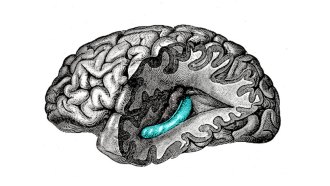
A brain structure called the hippocampus may slice our ongoing lives into distinct chunks so that they can then be stored as memories.