Brain
- Brain
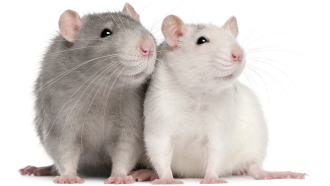
The immune system has a say in how hard ‘teen’ rats play
“Teen” rats like to wrestle. A new study shows the brain’s immune system might trigger changes that morph this desire for rough-and-tumble play into the calm of adulthood.
- Brain
Less screentime linked to better memory, learning in kids
Kids ages eight to 11 spend an average of 3.6 hours a day on screens, a new study shows. But the best thinking scores come from kids who average fewer than two hours a day of screen time.
- Brain
Teens’ cell phone use linked to memory problems
A new study suggests teens who get more exposure to cell-phone radiation — and hold their phones up to their right ear — do worse on one type of memory test.
- Brain
Football and hockey don’t necessarily doom players’ brains to serious damage
A broad look at the brains and behavior of retired pro football players and hockey players finds no signs of early dementia.
- Brain
Body heat due to exercise may reduce hunger
Why aren’t animals hungry after a workout? Brain cells that control appetite may sense the exercise heat — and keep you out of the kitchen, a new study finds.
- Brain
Soccer headers may hurt women’s brains more than men’s
Women sustain more brain damage from heading soccer balls than men, a new imaging study indicates.
- Brain
Taste good? Senses inform the brain — but don’t tell everyone the same thing
Whether something tastes appetizing depends on what a host of different sensory nerves collectively tell the brain. Warning: Sometimes they aren’t dependable — or even truthful.
- Health & Medicine
Explainer: Taste and flavor are not the same
What’s behind a food’s flavor? More than what we taste, it turns out.
- Brain
Scientists Say: Ventral striatum
The ventral striatum is an area of the brain that plays an important role in mood, learning and addiction. It has a lot of dopamine, a chemical messenger.
- Brain
Belly bacteria can shape mood and behavior
Our guts and our brains are in constant communication with the goal of managing a whole lot more than food digestion. Their conversations can affect stress, behaviors — even memory.
- Brain
Not all social media sites are equally likely to provoke anxiety
Most teens are on social media. Could these sites cause anxiety? A teen checks it out — and finds big differences.
- Brain
Bullying alters ‘bugs’ in the gut, hamster data show
A new study found that the microbes in a hamster’s gut changed in response to social stress.