Chemistry
- Chemistry
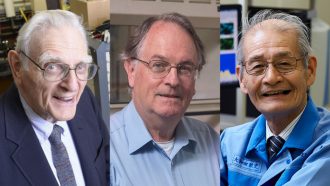
2019 Nobel Prize in chemistry goes for pioneering lithium-ion batteries
Today’s lithium-ion batteries power everything from smartphones to computers. Three scientists who pioneered those batteries just got the 2019 Nobel Prize in chemistry.
- Chemistry
Scientists find the secret to colossal bubbles
What’s the right mix of materials to blow big bubbles that stretch without popping? Physicists have turned up the solution.
- Chemistry
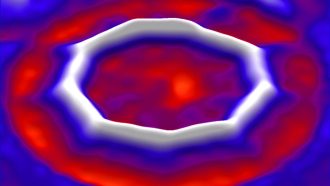
Chemists have created a ring-shaped form of carbon
A ring-shaped carbon molecule takes its place among buckyballs, carbon nanotubes and other odd forms of the element.
- Chemistry
Scientists Say: pH
pH is a scale used to measure the acidity or alkalinity of a solution. The scale ranges from zero to 14, with seven as the perfect neutral middle.
- Chemistry
Explainer: The bacteria behind your B.O.
Special glands in our armpits give us our signature stink. But it’s not our sweat that’s to blame. It’s the bacteria that gobble it up.
- Chemistry
A new electric surgery tool may someday fix nose, ear and eye problems
A new surgery tool uses electricity to reshape ear and nose tissue in minutes, without pain. Someday, it might even work on eyes to restore normal vision.
- Chemistry
Tiny new magnets are not only squishy but also liquid
Researchers have just created liquid droplets that behave like tiny bar magnets. The movement of these external magnets might help control robots and more.
- Physics
Fireworks shower the skies with science
Filling the night sky with fireworks requires the help of chemists, electrical engineers and people who can choreograph theatrical shows.
- Chemistry
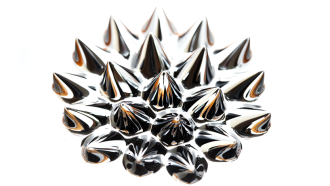
Scientists Say: Ferrofluid
Ferrofluids are liquids with tiny magnetic particles in them. These liquids respond to magnets.
- Animals
Slimy fish could aid the search for new drugs
Fish slime could teach scientists about bacteria that live on fish and aid in the hunt for new kinds of antibiotics.
- Chemistry
Studies show how homes can pollute indoor air
Cooking, cleaning, applying makeup or deodorant and other activities may sometimes leave indoor air as polluted — or worse — than outdoor air, new research suggests.
- Chemistry
Remote-controlled nanoparticles could fight cancer — gently
A new type of nanoparticle would keep toxic cancer drugs wrapped up so they won’t poison healthy cells. But a remote signal can unleash this cancer-killing medicine once it reaches a tumor.