Life
- Animals
Compared to other primates, humans get little sleep
Short bouts of a sleep, called REM, separate humans from other primates, scientists find. Sleeping on the ground may have a lot to do with it.
- Brain
Bullying alters ‘bugs’ in the gut, hamster data show
A new study found that the microbes in a hamster’s gut changed in response to social stress.
- Animals
Living Mysteries: Meet Earth’s simplest animal
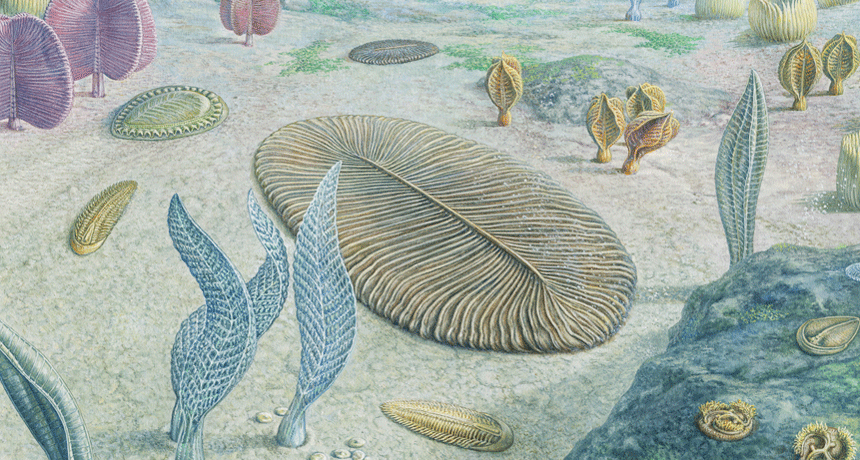
Trichoplax is the simplest animal on Earth. It has no mouth, stomach or brain. Yet it can teach how these and other organs evolved.
- Climate
Analyze This: Climate change could make food less healthy
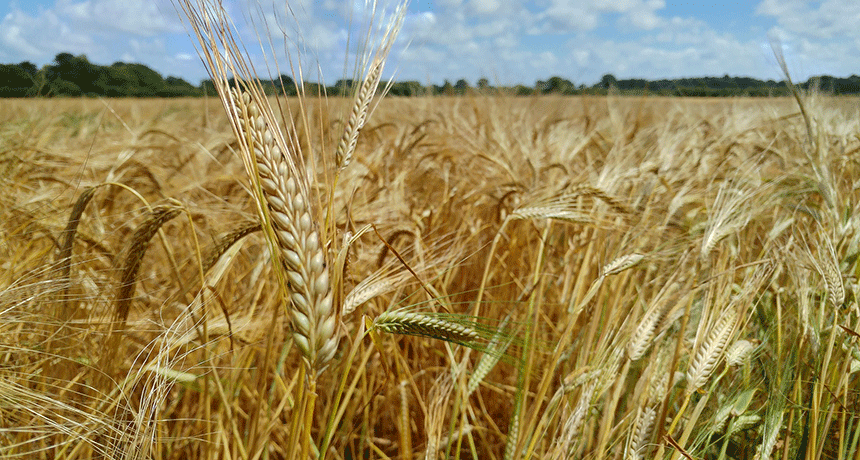
Levels of important nutrients are lower in crops exposed to high levels of carbon dioxide, a greenhouse gas. How high? Try levels expected to be typical 30 years from now.
- Health & Medicine
E-cigarettes don’t need nicotine to be toxic
E-cigarettes without nicotine can still be toxic. New studies find the flavorings in e-cigarettes can harm cells of the human immune system.
- Brain
Explainer: What are opioids?
Opioid drugs can kill pain, but they can also kill people. Here’s how.
- Brain
Teeny tiny hairs on brain cells could have big jobs
Brain cells have tiny antennae called cilia. But no one really seemed to know what they did. Now, scientists have shown they could play a role in obesity.
- Animals
Killer whale blows a raspberry, says ‘hello’
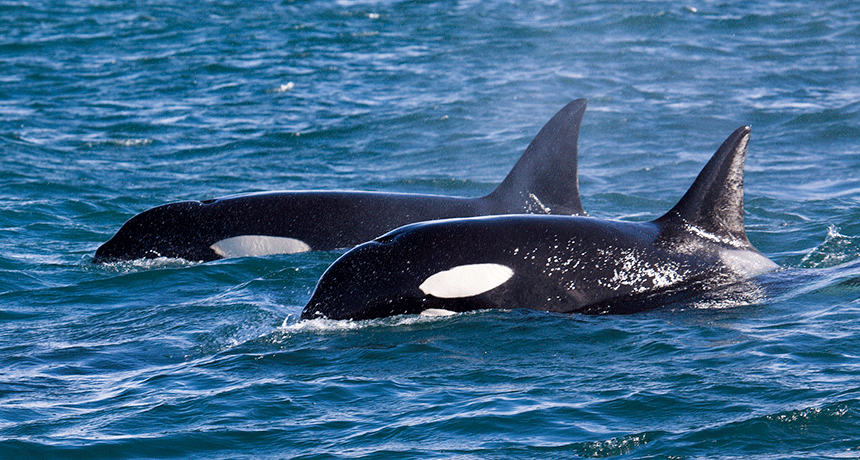
Orcas can mimic a range of sounds, including human speech — sort of.
- Brain
Scientists Say: Receptor
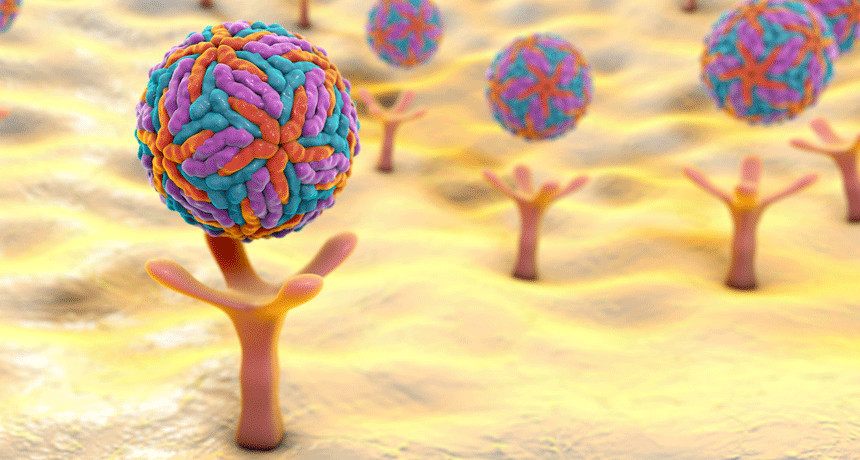
This molecule is a chemical messenger’s docking station. A receptor serves as a lock for cell activity.
- Brain
Cool Jobs: Decoding how your brain ‘reads’
For some stroke victims and people with dyslexia, reading is nearly impossible. These researchers are working to understand why.
- Animals
Tricky turns give prey a chance against lions and cheetahs
A bonanza of running data on wild predators shows that a successful hunt requires more than sprinting.
- Animals
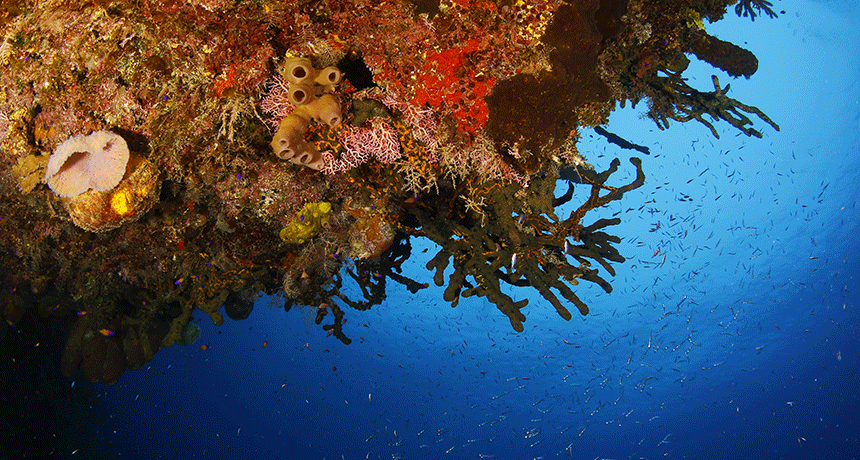
Exploring the mysteries of Cuba’s coral reefs
Researchers are studying the mysterious lives of creatures in and near Cuba’s coral reefs. What they learn could help protect ocean life globally.