Life
- Life
‘Nanostraws’ safely sneak a peek inside cells
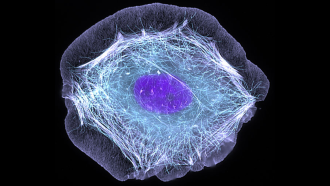
Scientists have developed tiny straws that let them peek inside a living cell without killing it or even damaging it.
- Brain
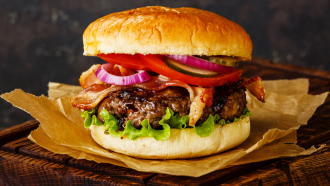
Just viewing super-size meals can promote overeating
Large portions of food dampen activity in a brain area involved in self-control, a new study shows.
- Animals
Industrious badger caught burying an entire cow
Badgers are known to bury small animals. That allows them to save a meal for future dining. Now researchers have caught them caching something much bigger: young cows.
- Brain
Food smells better to sleepyheads
People who want to resist junk foods or overeating may want to make sure they get a good night’s rest. Being tired makes the scent of foods more appealing, a new study finds.
- Brain
Noticing mistakes boosts learning
People who pay attention to their mistakes are more likely to do better the next time, data show.
- Animals
Among mice, scratching is catching — as in contagious
Contagious itching spreads by sight, mouse-to-mouse. Scientists have now identified brain structures behind this phenomenon.
- Life
Fleets of flying robots could pollinate crops
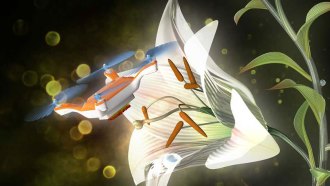
Tiny flying drones use patches of sticky hair to capture pollen. One day they might join bees in pollinating crops.
- Plants
Scientists Say: Guttation
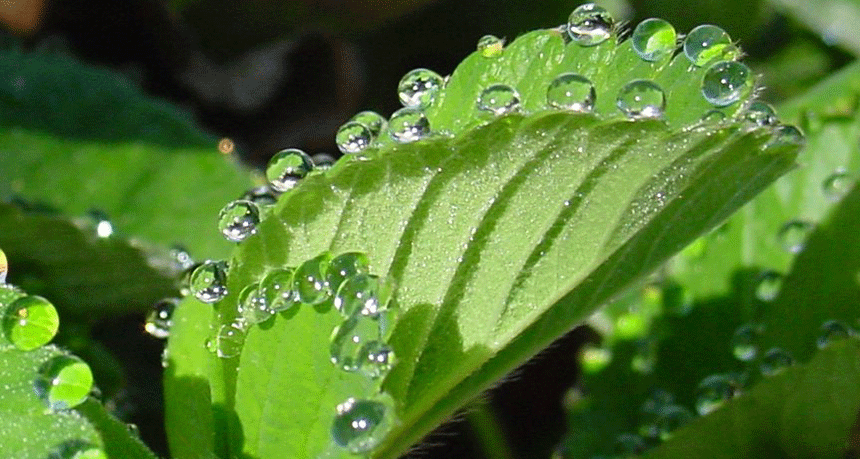
When water vapor can’t escape a plant, it might force its way out through a process called guttation.
- Ecosystems
Cities drive animals and plants to evolve
Biologists are finding that some species have used genetic changes to evolve — adapt — to the pollution and other stressors that they encounter in cities.
- Brain
Study links ADHD to five brain areas
A new international study shows that the brains of children with ADHD are different from those in people without this condition.
- Animals
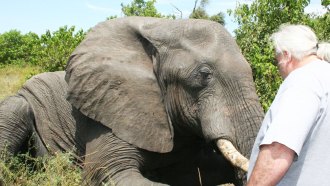
Wild elephants sleep for only two hours at night
New measurements suggest that wild elephants may need less sleep than any other mammal.
- Plants
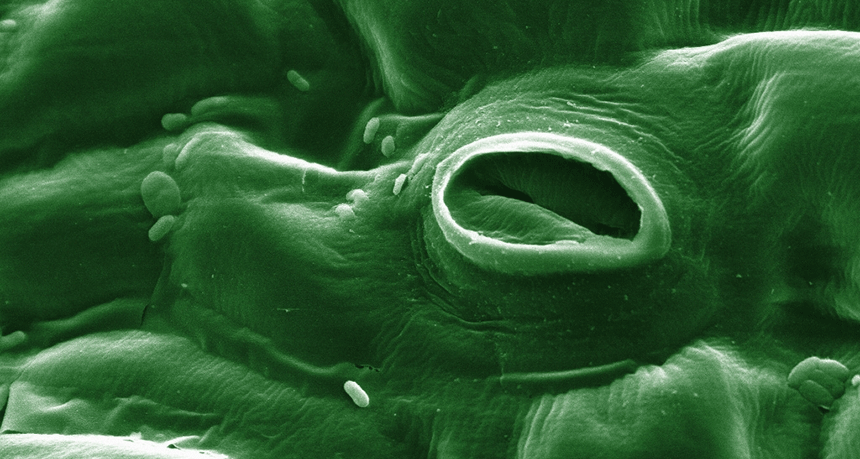
Scientists Say: Stomata
Plants have pores they open and close to let oxygen, carbon dioxide and water vapor in and out. These pores are called stomata.