Life
- Animals
Explainer: Tagging through history
What started as little metal bands have evolved into high-tech devices — some of which rely on satellites to share their findings.
- Animals
Watch out for tree-climbing crocs
What’s that up in the tree? If you live in the right part of the world, it could be a hungry croc.
- Genetics
Where Native Americans come from
All tribes seem to derive from the same Asian roots, DNA indicates.
- Microbes
Arctic thaw is spreading wildlife diseases
Polar animals are encountering new, killer parasites as melting ice unlocks their access to new hosts.
- Animals
First living fish leaves ‘endangered’ list
Twenty-one years ago, a minnow facing a high risk of extinction was placed on the U.S. Endangered Species List. With help from scientists, the fish appears to have largely recovered. It’s the first ‘listed’ fish to do so.
- Animals
A weekend for the birds
February 14 to 17 is this year’s Great Backyard Bird Count. It offers an opportunity to not only learn about the birds in your neighborhood but also contribute to science.
- Life
How to reset a cell
Scientists had reported they had figured out how to turn a specialized cell into any other type of cell the body may need. All it took was an acid bath. But now in July, big doubts have emerged about the quality of that work and whether the results will hold up.
- Brain
When Cupid’s arrow strikes
Scientists have begun dissecting what it means to be in love. They are finding that much of what we feel can be explained by the effects of a few key chemicals — and not just on our hearts and brains, but on our whole bodies.
- Brain
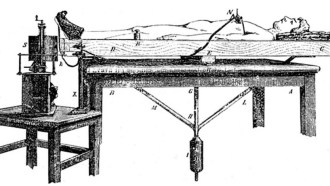
The weight of thought
Thinking heavy thoughts? Scientists have just put people on a balance and shown that the brain briefly gains blood — becoming a bit heavier — while concentrating.
- Animals
Dissecting the dog paddle
Scientists occasionally describe the dog paddle as a “trot,” but that’s not right. When dogs swim, their complicated leg motions look more like a frantic run.
- Brain
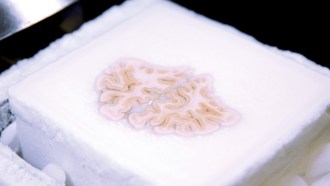
Memory lessons from a forgetful brain
Scientists have just begun probing the preserved tissue from “H.M.” Even five years after he died, this man’s brain continues to offer lessons on how people make — or fail to make — memories.
- Genetics
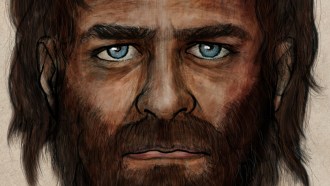
Blue eyes in the Stone Age
Genes from an ancient skeleton suggest that dark-skinned people may have been the first to evolve blue eyes.