Life
- Animals
This egg-eater may have the biggest gulp of any snake its size
Slither aside, Burmese pythons. This little African snake has a truly outsized swallow.
- Brain
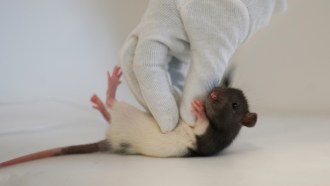
A rat’s playfulness relies on cells in one part of its brain
Certain cells here control its behavior. Studying this circuitry could also help us understand depression in people.
- Animals
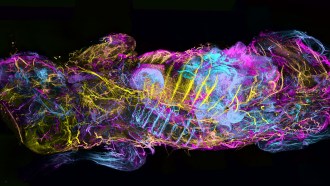
A new technique creates glowing whole-body maps of mice
Removing cholesterol from mouse bodies lets fluorescent proteins seep into every tissue. That has helped researchers map entire body parts.
- Agriculture
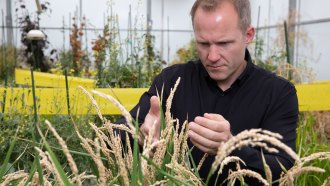
Crops are being engineered to thrive in our changing climate
Plants are already the best carbon catchers on Earth. New research could make them even better.
- Animals
Toothed whales use their noses to whistle and click
Much as people do, toothed whales, such as dolphins and sperm whales, make noises in three different vocal registers.
- Agriculture
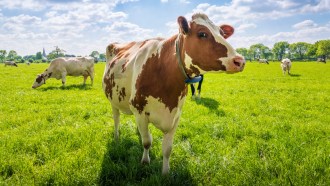
Cow dung spews a climate-warming gas. Adding algae could limit that
But how useful this is depends on whether cows eat the red algae, a type of seaweed — or it gets added to their wastes after they’re pooped out.
- Fossils
New fossils bring the wide world of pterosaurs to life
The latest clues from fossils hint at where these flying reptiles came from, how they evolved, what they ate and more.
- Animals
Let’s learn about beetles’ survival superpowers
Some beetle species can survive extreme pressure, dehydration or even getting eaten.
- Animals
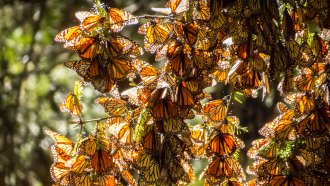
Analyze This: White wing spots may help monarch butterflies fly far
Monarchs with more white on their wings are more successful migrants, new research shows
- Life
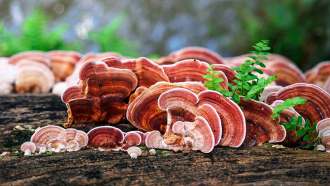
Scientists Say: Mycelium
These fibrous networks are the reason plants think fungi are such "fun guys.”
- Tech
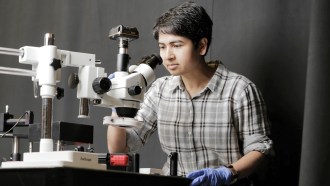
Nanobots can now enter brain cells to spy on what they’re doing
Fleets of advanced versions may one day be able to detect disease and then go about surgically treating it — without ever opening the skull.
- Materials Science
Made from fungi, this vegan leather can self-heal holes or rips
If made under gentle conditions, leather formed from the “roots” of mushrooms can retain the ability to regrow and repair minor damage.