Life
- Ecosystems
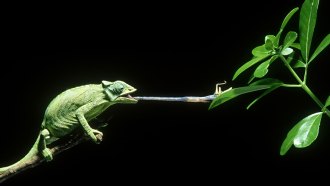
Scientists Say: Predator and Prey
Ecological relationships between predators and their prey drive the evolution of plants, animals and microbes.
- Plants
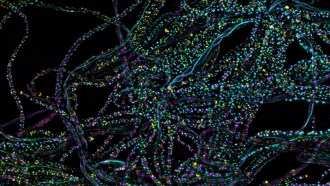
A single particle of light can kick off photosynthesis
In a new experiment with bacteria, a lone photon sparked the process of turning light to chemical energy.
- Animals
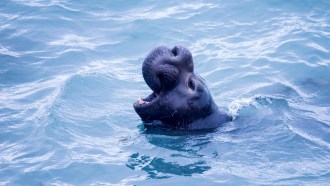
Northern elephant seals snooze only two hours a day at sea
These marine mammals sleep only minutes at a time on months-long trips at sea.
- Animals
Explainer: What is animal domestication?
The difference between a dog and a wolf isn’t looks or genes or even behavior. It’s the relationship these animals have with people.
- Animals
Scientists Say: Coral
Over 4,000 species of fish make their home among the reefs created by these colony-dwelling marine animals.
- Brain
Neuroscientists use brain scans to decode people’s thoughts
The research may lead to new devices for people who can’t communicate easily. It also raises privacy concerns.
- Fossils
T. rex may have hidden its teeth behind lips
Dinosaurs like Tyrannosaurus have long been portrayed with their big teeth bared. But new research suggests this wasn’t so.
- Materials Science
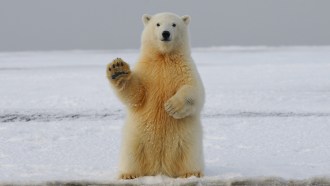
Analyze This: A new fabric mimics polar bears’ pelts for warmth
With layers that work like polar bears’ skin and fur, a material absorbs light and keeps it from escaping.
- Plants
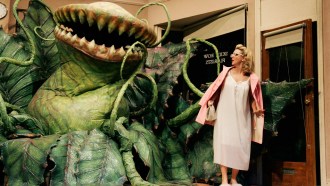
Could a plant ever eat a person?
For now, humans aren’t on the menu for carnivorous plants. But what would it take for one to consume a person?
- Environment
Fungi help rescue crops being harmed by microplastics
Microplastics in the soil hinder plant growth. But two finalists at Regeneron ISEF found that fungi and farm waste can reduce the harm.
- Fossils
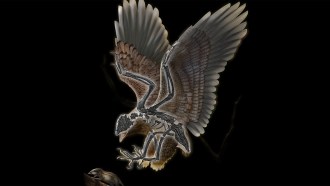
This ancient bird rocked a head like a T. rex
This bird from 120 million years ago had a head like a dinosaur and a body more like today’s birds.
- Brain
Scientists Say: Addiction
Recovering from addiction is hard but possible. Encouragement of loved ones can improve a person’s chances of overcoming this disease.