Science & Society
- Genetics
Cool Jobs: New tools to solve crimes
Future investigators may identify criminals by the microbes they leave behind or by using DNA-like evidence from strands of their hair.
- Health & Medicine
Are fidget spinners tools or toys?
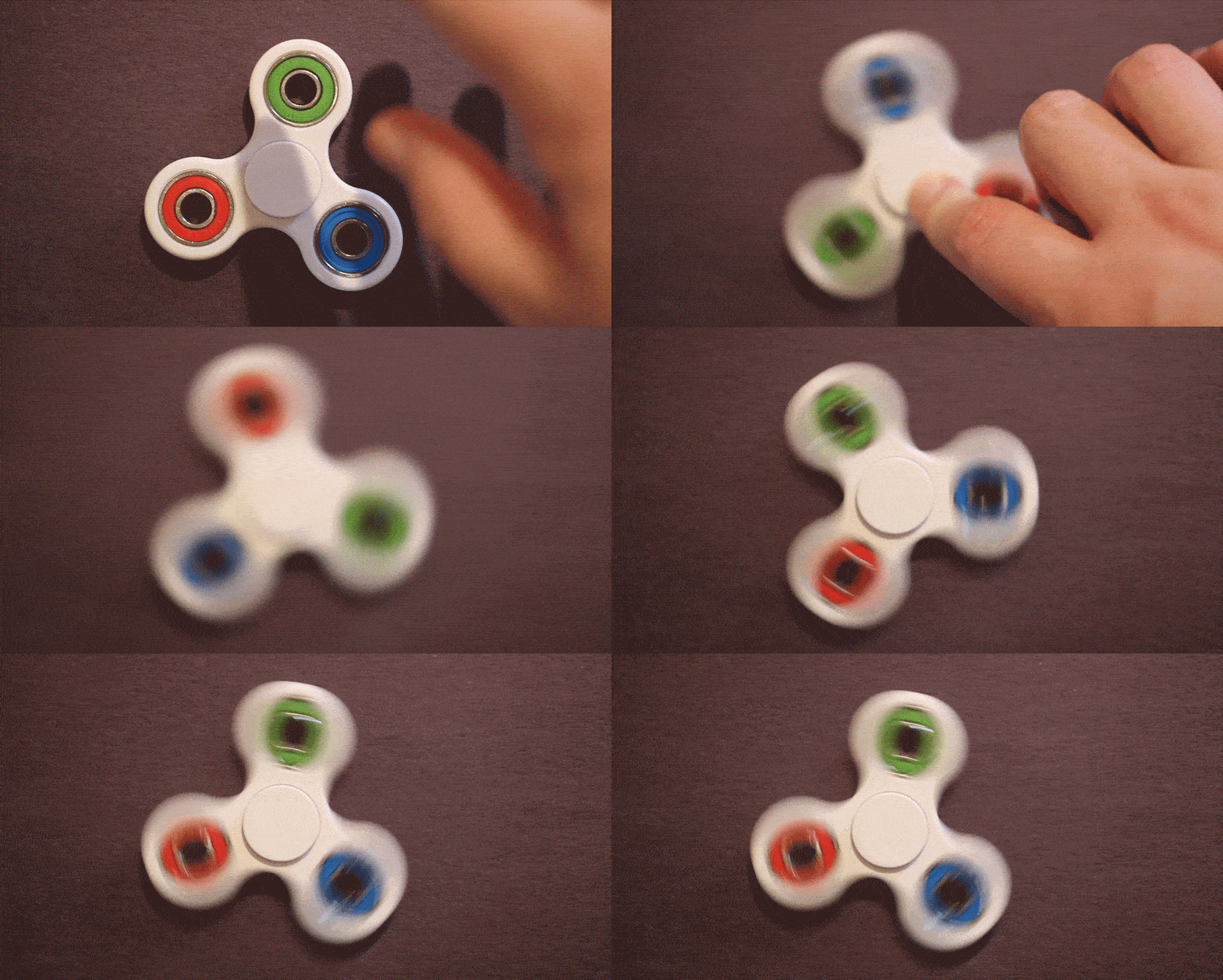
Fidget spinners are all the rage. Therapists say toys such as these can help some kids calm down and pay attention.
- Microbes
Tweaked germs glow to pinpoint buried landmines
Finding landmines could become much safer with a new technology. It uses genetically modified bacteria that glow under laser light.
- Science & Society
Research is important because…
Teens wouldn’t do science unless they felt it was important. Here’s why they think it matters so much.
- Health & Medicine
Tattoos: The good, the bad and the bumpy
Tattoos and their inks can cause regrets and allergic reactions. But here’s a surprise: Some inked body art may actually benefit health by boosting its host’s immune system.
- Archaeology
Stone Age dentists treated cavities with tar
Is Italy the home of dentistry? That’s where treated tooth decay has been found, dating back 14 millennia. Cavities appear picked clean with sharp tools. Ouch!
- Health & Medicine
Analyze This: Real data on lead levels in school drinking water
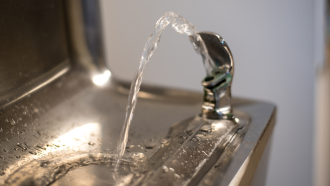
The metallic element lead can be toxic if ingested. To keep students safe, many schools now test their water. Some have found dangerously high levels.
- Physics
Eclipses come in many forms
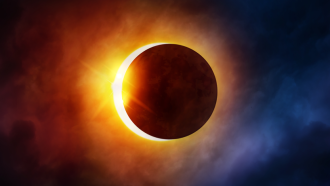
Eclipses are one of nature’s most awesome spectacles, and scientists have learned a lot by observing them and related celestial alignments — occultations and transits.
- Brain
Noticing mistakes boosts learning
People who pay attention to their mistakes are more likely to do better the next time, data show.
- Health & Medicine
Legalizing pot may confuse teens into thinking it’s safe
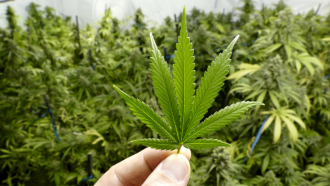
A growing number of teens think marijuana is no big deal, a new study finds. And that may encourage many to experiment with its use.
- Fossils
Fossils offer new candidate for earliest life
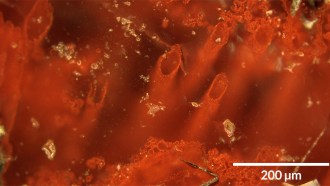
Rock unearthed in Canada appears to hold fossils from seafloor microbes that would have lived around 4 billion years ago, when Earth was very young.
- Science & Society
Will we know alien life when we see it?
The hunt is on for extraterrestrials. But recognizing them may require some wiggle room in what we define as being alive.