All Stories
- Math
Meet the newest additions to the metric system
The metric system just got its first update in 30 years. New prefixes will help scientists interpret the biggest — and smallest — numbers.
- Fossils
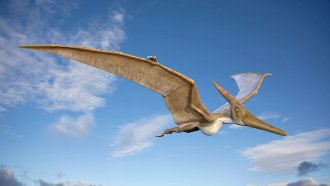
Let’s learn about pterosaurs
These ancient flying reptiles were not dinosaurs, but they were close relatives.
- Brain
Playing video games may improve your memory and attention
The biggest research study of its kind finds that video gamers perform better on some mental tasks than nongamers do.
- Humans
This ancient ivory comb reveals a wish to be free of lice
The comb bears the earliest known complete sentence written in a phonetic alphabet, researchers say.
- Chemistry
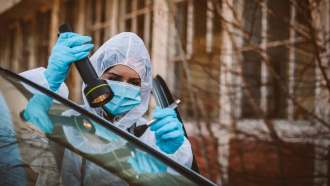
Forensic scientists are gaining an edge on crime
Advances in forensic science are helping to recover invisible fingerprints and identify missing people from bits of tissue or bone.
- Animals
Study finds big drop in animal populations since 1970
But the same thing is not happening throughout the kingdom. For instance, more than half of vertebrate populations are stable or increasing.
- Health & Medicine
An asthma treatment may also help tame cat allergies
Adding a therapy used to treat asthma improved cat allergy symptoms for more than a year, a small study found.
- Archaeology
King Tut’s tomb still holds secrets 100 years after its discovery
New details of Tut’s story are still coming to light. Here are three things to know on the 100th anniversary of his tomb’s discovery.
- Health & Medicine
Scientists Say: Infection
Infections range from mild illnesses, such as the common cold, to deadly diseases, such as rabies.
- Animals
Some young fruit flies’ eyeballs literally pop out of their heads
The first published photo shoot of developing Pelmatops flies shows how their eyes rise on gangly stalks in the first hour of adulthood.
- Space
NASA is readying to send humans back to the moon
The launch of NASA's Artemis I is a huge step toward sending humans back to the moon and beyond.
- Animals
Cougars pushed out by wildfires took more risks around roads
After an intense burn in 2018 in California, big cats in the region crossed roads more often. That put them at higher risk of becoming roadkill.