All Stories
- Animals
Cougars pushed out by wildfires took more risks around roads
After an intense burn in 2018 in California, big cats in the region crossed roads more often. That put them at higher risk of becoming roadkill.
- Brain
Let’s learn about creativity
By reading brain scans and eavesdropping on brainwaves, scientists are learning more about how creativity works.
- Fossils
Sprinting reptiles may have been forerunners of soaring pterosaurs
A new analysis of an old fossil supports the idea that winged pterosaurs evolved from swift and tiny two-legged ancestors.
-
- Tech
A tool as small as a human cell can scan for contaminants and more
Tiny spectrometers might someday show up on smart devices. They could help people scan for ingredients or contaminants in foods and other materials.
- Humans
Long-lost ‘smellscapes’ are wafting from artifacts and old texts
By studying and reviving old scents, archaeologists are finding new clues about how ancient Egyptians experienced their world through smell.
- Animals
Splatoon characters’ ink ammo was inspired by real octopuses and squid
In Nintendo’s Splatoon game series, Inklings and Octolings duke it out with weapons that fire ink. How does this ink compare with that of real octopuses and squid?
- Animals
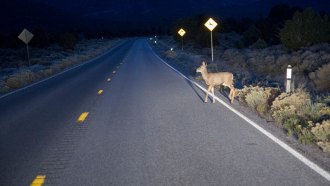
Cars hit more deer in the week after daylight saving time ends
In the days right after most Americans turn back the clock, vehicle crashes with deer increase by 16 percent, a new study shows.
- Chemistry
Scientists Say: Fluorescence
This property causes materials — including some animals’ skin, fur or feathers — to glow under light.
- Planets
Mars might still be volcanically active, quakes there suggest
Seismic rumblings picked up by NASA’s InSight lander hint at molten rock moving deep below the planet’s fractured surface.
- Environment
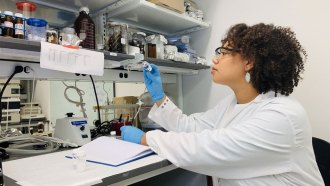
This chemist uses online videos to teach about the perils of microplastics
Imari Walker says her journey as a scientist and science communicator lets her talk about and advocate for her passion.
- Environment
Bacterial ‘living wires’ could help protect the seas and climate
Long, thin bacteria that conduct electricity may be able to help clean up oil spills and reduce emissions of methane, a powerful greenhouse gas.