All Stories
- Life
Scientists Say: Clone
This adaptable tech can help with everything from engineering medical microbes to preserving endangered species.
- Artificial Intelligence
Sneaky: AI auto-complete may be shaping our views
People are increasingly using AI auto-complete features when writing. Those tools may change how we think — even without our knowing.
- Animals
This tool-using cow stunned scientists with her smarts
Veronika the cow scratches hard-to-reach body parts using a brush. This feat is forcing scientists to rethink which animals can use tools.
- Health & Medicine
Meet CLA, a naturally ‘healthy’ fat in burgers, ice cream and more
Solid at room temp, the natural trans fat conjugated linoleic acid resembles saturated fats — except that it appears good for the body in many ways.
- Health & Medicine
Here’s what nutrition experts say about dietary fat
New U.S. dietary guidelines promote eating full-fat dairy and meats. But health experts say nuts and seed oils are better sources of the two crucial fats we need.
- Health & Medicine
Explainer: What are ultraprocessed foods?
Packed with chemical additives, these foods have become a major part of our diets. Scientists have begun to worry about how ultraprocessed foods may impact health.
- Environment
Teen engineer finds eco-friendly way to fight harmful algal blooms
The Netflix series Outer Banks inspired this teen engineer to help clean up algal blooms in a local waterway.
- Animals
Flat-faced dogs often struggle to breathe easy
Pugs and bulldogs aren’t the only dogs with breathing problems. Pekingese, Japanese chins and other squish-faced breeds have this issue, too.
- Space
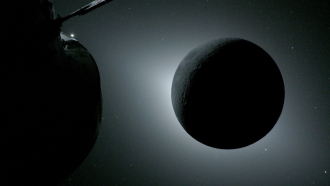
Check out some of the best pics from the Artemis II mission
The Artemis astronauts are safely back on Earth. But they immortalized their historic voyage to the moon in these stunning photographs.
- Tech
Backyard leafhoppers inspire next-generation cloaking tech
Engineers are borrowing this insect’s trick, an "invisibility cloak" of anti-reflective spheres. It could lead to new clean energy tech or military gear.
- Physics
Scientists Say: Entropy
To understand the universe, we must look to entropy — the chaos engine of the cosmos.
- Life
After the dino-killer asteroid, life bounced back quickly
New ocean dwellers arrived millennia — maybe decades — after the Chicxulub impact. That forces a rethink of evolution's response to wipeout events.