All Stories
- Physics
Tests challenge whether centuries-old violins really are the best ever
Some centuries-old Italian violins are reputed to be the best ever made. Scientists tested that. Their data now show new instruments can sound at least as good — and sometimes better.
- Brain
Sleep may jumpstart the brain’s power washing system
Waves of fluid wash into the human brain during sleep. That’s good. They just may help clean out toxic proteins.
- Physics
Magnetic fields may supercharge the sun’s release of heat
Astronomers have linked flame-like tendrils rising from the sun to changes in its magnetic fields. This may be one step toward understanding why the sun’s corona is so very, very hot.
- Climate
Hotspots found for lightning’s superbolts
A nine-year survey reveals where and when the most energetic lightning strikes — and it’s not what scientists expected.
- Animals
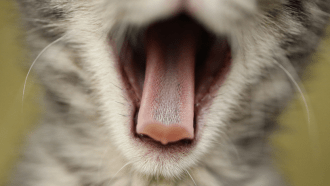
Scientists Say: Papillae
These small nubs stick out from a body part. They include things such as tongue bumps with taste buds and the structures under the skin that help grow hair.
- Animals
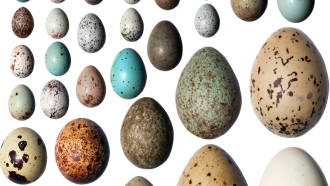
Why are bird eggs in cold climates darker colored?
A global survey of bird egg color has revealed a simple trend: the colder the climate, the darker the egg.
- Chemistry
Scientists look to hack photosynthesis for a ‘greener’ planet
Photosynthesis turns sunlight into energy for plants. Scientists want to know more about it, imitate it — even improve it.
- Animals
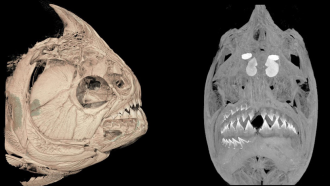
Piranhas and plant-eating kin replace half their teeth at once
Piranhas and pacus shed and replace half of their teeth at a time. New teeth lock together as they push up from the jaw.
- Life
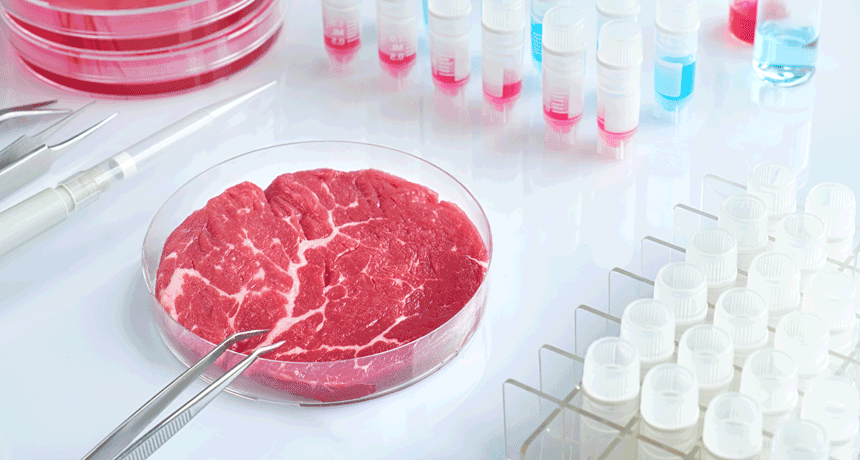
A new spin on lab-grown meat
A technique inspired by how cotton candy is spun could help produce lab-grown meat at a lower cost and on a bigger scale.
- Animals
Blood vessels in their heads kept big dinos from overheating
Giant dinosaurs evolved several ways to cool their blood and avoid heatstroke.
-
Scientists Say: Octopod
These marine animals have soft bodies and eight sucker-lined arms. Some are known for their smarts or ability to quickly change colors.
- Animals
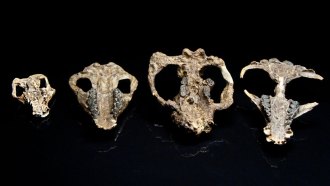
Fossils show mammals’ rise to dominance after the dino-killing asteroid
What happened to mammals after an asteroid wiped out the dinosaurs? Newfound fossils show how they grew in size, eventually dominating much of life on Earth.