All Stories
- Animals
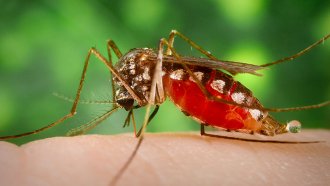
Testing mosquito pee could help track disease spread
A new way to monitor the viruses that wild mosquitoes have picked up passes its first outdoor test. The method uses mosquito urine.
- Science & Society
Proud to be different in STEM
Scientists and engineers who identify as lesbian, gay, bisexual and queer are facing ongoing challenges but finding their way.
- Chemistry
Studies show how homes can pollute indoor air
Cooking, cleaning, applying makeup or deodorant and other activities may sometimes leave indoor air as polluted — or worse — than outdoor air, new research suggests.
- Space
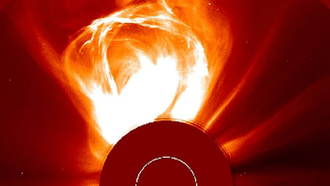
Scientists Say: Space weather
It may not be cloudy with a chance of rain, but space has weather too. Wind and ejections from the sun can send charged particles toward the Earth, knocking out our electricity.
- Archaeology
Fossils from a Philippine cave may come from a new human-like species
Ancient fossils from a Philippine cave may come from a new human-like species, which scientists have dubbed Homo luzonensis.
- Health & Medicine
Is the Netflix show 13 Reasons Why linked to suicide?
The Netflix show 13 Reasons Why attracted a lot of controversy for showing suicide. Two studies now look for signs that watching the show may elevate suicide risk.
- Computing
You can fight back against cyberattacks
Cyberattacks have cut power to a major city and delayed the delivery of medicine. Find out how experts combat such attacks and how to protect yourself.
- Genetics
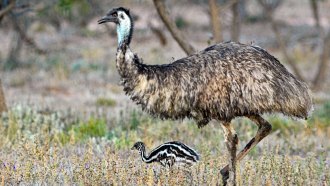
How some birds lost the ability to fly
Some birds have evolved to stay on the ground instead of flying. Scientists think changes to bossy bits of DNA might be the reason.
- Materials Science
Analyze This: Do exotic woods make better guitars?
When comparing the sound of guitars made from rare and costly woods to those made with common, cheaper alternatives, guitarists couldn’t tell much of a difference.
- Earth
Microplastics are blowing in the wind
Tiny pieces of plastic are traveling through the air, a new study shows. A remote mountaintop saw just as much plastic deposited per day as falls on downtown Paris.
- Chemistry
Remote-controlled nanoparticles could fight cancer — gently
A new type of nanoparticle would keep toxic cancer drugs wrapped up so they won’t poison healthy cells. But a remote signal can unleash this cancer-killing medicine once it reaches a tumor.
- Genetics
Scientists Say: Genealogy
This is the study of someone’s ancestry. It could mean finding out about someone’s family tree or the history of evolution from one species to another.