All Stories
- Health & Medicine
Snot Science: Stopping the sneeze
In my previous study, I compared thick and thin snot. Now, I’ll find out if a tissue makes a difference in how far a sneeze spreads.
- Space
There’s a snowman in space
The New Horizons spacecraft snapped pics of the space rock on New Year’s Day.
- Science & Society
Watching meat rot helps decode what Neandertals ate
One scientist has measured the chemical makeup of decaying meat. She’s comparing it against what’s in fossil bones to figure out what Neandertals ate.
- Health & Medicine
Scientists Say: Metabolism
Metabolism is all the chemical activities that support life in a cell, an organ and a whole organism’s body.
- Planets
China landed a spacecraft on the far side of the moon
China just brought down a lander and rover on the far side of the moon. Let the science begin!
- Tech
This grid moves energy, but not always reliably
The grid that brings you electricity faces a host of threats. Engineers are at work to make it more reliable and nimble.
- Physics
Explainer: What is the electric grid?
Most of us get electricity through a huge system of power lines and equipment that together are known as the electric grid. Here’s how it works.
- Animals
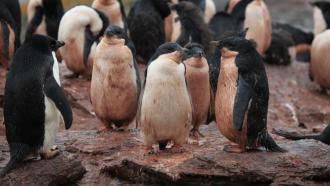
To monitor penguin diet from satellites, look to poop
Scientists have figured out what foods dominate an Adélie penguin colony’s diet by looking at Landsat imagery. But to do so, they had to start with penguin poop.
- Physics
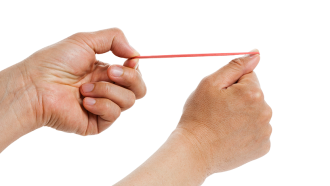
High-speed video reveals the best way to shoot a rubber band
What’s the best way to shoot a rubber band? High-speed video reveals how to avoid hitting your thumb.
- Animals
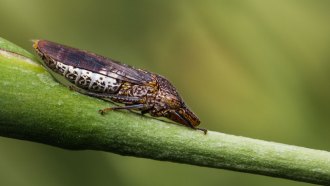
How some insects fling their pee
Insects called sharpshooters use a tiny barb on their rear ends to hurl their pee at 20 times the acceleration of Earth’s gravity.
- Animals
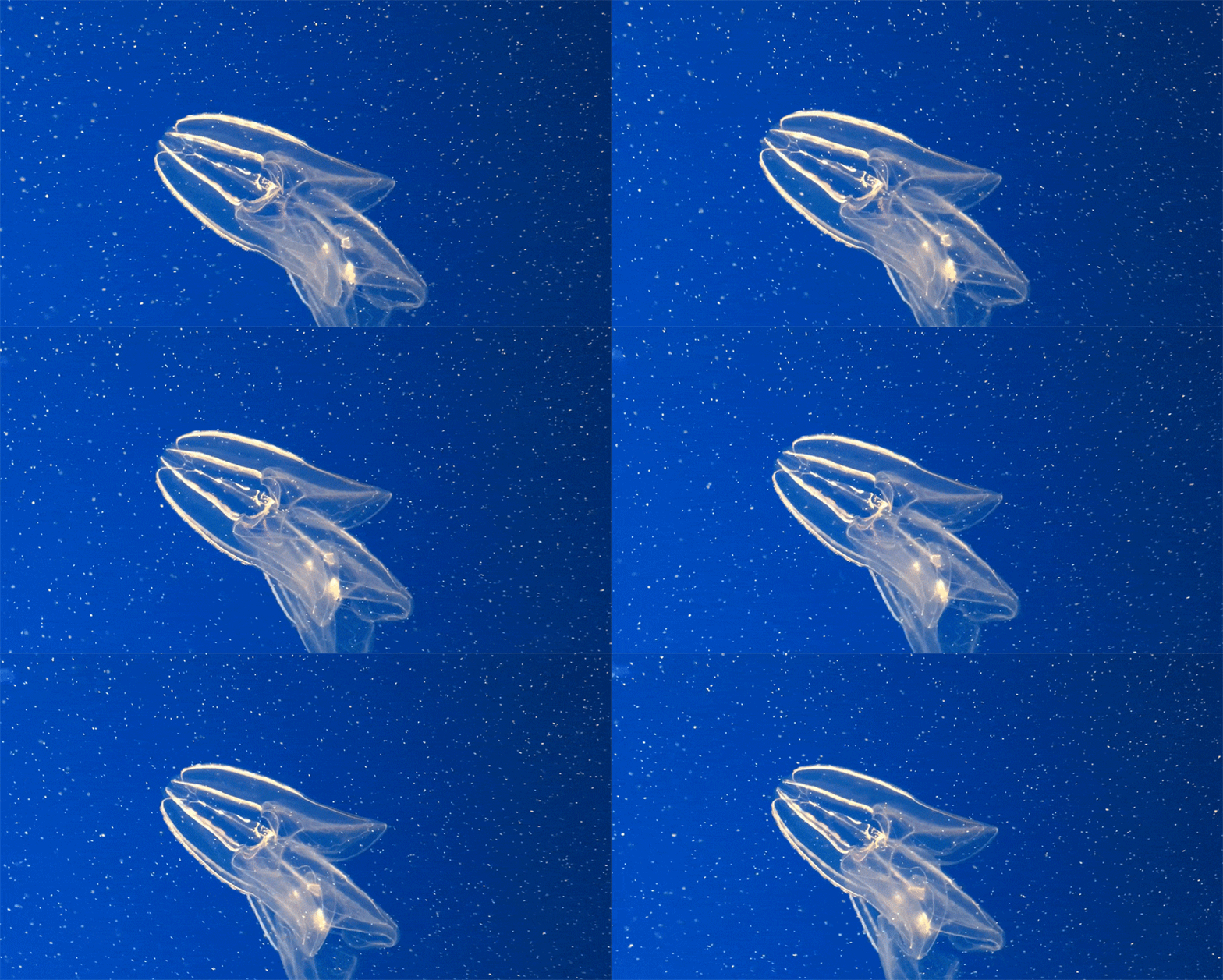
Scientists Say: Jellies
Jellies have roamed the seas for 500 million years. Some have stinging tentacles and bell-shaped bodies and are called jellyfish. Others are very different.
- Climate
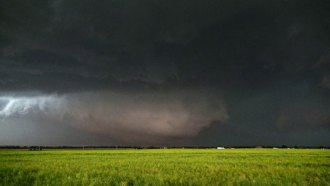
New research may alter what we know about how tornadoes form
New data suggest that the twisters don’t form from the top down.