All Stories
- Earth
These may be the oldest fossils on Earth
Some mini mounds in Greenland may just be the earliest evidence of life on Earth, deposited a mere 800,000 years after our planet first formed.
- Agriculture
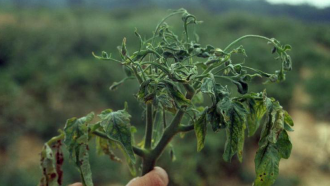
Sneaky! Virus sickens plants, but helps them multiply
The cucumber mosaic virus helps tomato plants lure pollinators. When the plants multiply, the virus now gets new hosts.
- Health & Medicine
U.S. to outlaw antibacterial soaps
Soaps with germ-killing compounds promise cleaner hands. But manufacturers couldn’t show they offer any safety advantage. Now the U.S. government is banning them.
- Science & Society
Cool Jobs: Keeping TV science honest
The science you see on TV dramas can look very real. Here are some of the people working hard to make actors seem like STEM professionals.
- Space
Lost lander spotted on comet’s surface
Scientists have spotted the missing comet lander. Philae landed in a shadow, which kept the sun from recharging its batteries.
- Brain
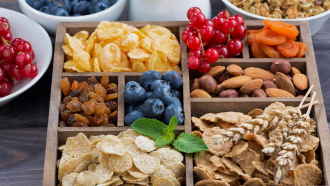
This supplement makes calorie-rich foods less tempting
A supplement that contains the fatty acid propionate causes the brain to rate high-calorie foods less appealing.
- Chemistry
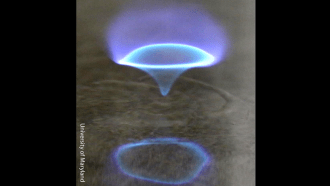
Lab creates new, unexpected type of ‘firenadoes’
A newly discovered type of fiery vortex burns hot and generates little soot. Scientists suspect it could be a solution to cleaning up oil spills at sea.
- Ecosystems
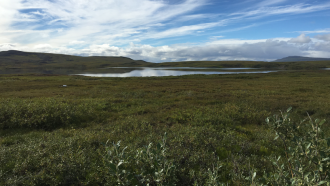
Scientists Say: Tundra
A tundra is an ecosystem found in Earth’s far north. It has a layer of soil deep underground that remains frozen — sometimes for thousands of years. But the top layer thaws in the summer, allowing plants to grow.
- Genetics
Young sunflowers keep time
The plants don’t just use light to follow the sun. An internal clock helps their stems bend as the sun moves across the sky.
- Animals
Cool Jobs: Linking animal health to human health
Scientists who watch out for diseases in wild animals also can play a role in keeping people from getting sick.
- Health & Medicine
Grandparents’ diet could be a weighty issue for grandkids
Australian scientists have found that fat mice can pass on a heightened risk of obesity to their sons and grandsons.
- Genetics
Explainer: What is epigenetics?
Epigenetics is the study of molecular “switches” that turn genes on and off. Tweak those switches and there could be big health consequences.