All Stories
- Chemistry
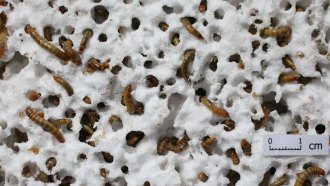
Mealworms chow down on plastic
Gut bacteria in mealworms break down polystyrene. Feeding plastic to the worms, or the germs they carry, could be a way to get rid of these wastes.
- Math
Scientists Say: Quartile
A quartile might sound like a fourth. But that’s not quite what it is.
- Brain
Can’t sing on-key? Blame the brain
Tone-deafness doesn’t mean that someone can’t hear music. The brain just misinterprets what it “hears”, a new study suggests.
- Climate
Picture This: Biggest hurricane in the West
The hurricane that’s storming into western Mexico has had higher sustained winds than any seen in the Western Hemisphere. It’s also got the lowest atmospheric pressure, making it a monster storm.
- Brain
New light on brain science
A combination of physics, biology and engineering lets scientists use light to trigger actions by specific brain cells. Called optogenetics, this technology is shining new light on how the brain works.
- Health & Medicine
Internet use may harm teen health
Using the Internet more than two hours a day puts teens at risk of high blood pressure, a new study finds.
- Chemistry
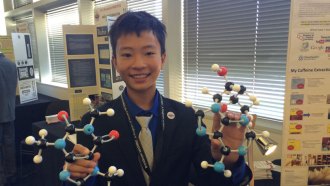
Making caffeine content crystal clear
Many popular drinks contain caffeine — a stimulant that in high amounts can keep you up at night. One teen is now measuring just how much is in the beverages we drink.
- Brain
Explainer: What is anxiety?
Anxiety is the stress linked to worries about an upcoming event — one that may not even happen. But anxiety can affect the body every bit as much as does the stress provoked by staring down a hungry lion.
- Health & Medicine
If you’re awake, you’re probably eating
The idea that we eat three meals a day is a myth. People eat nearly constantly, and that may not be good for our health.
- Animals
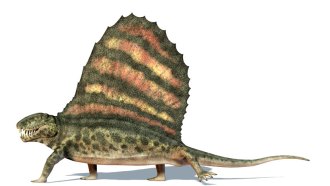
This prehistoric meat eater preferred surf to turf
For years, paleontologists thought the fierce, sharp-toothed Dimetrodon made a meal of land-based plant eaters. Not anymore. New fossils suggest aquatic animals were its meals of choice.
- Chemistry
These bubbles treat wounds
New research shows bubble-powered drugs can travel upstream, against the flow of blood, to seal wounds shut.
- Earth
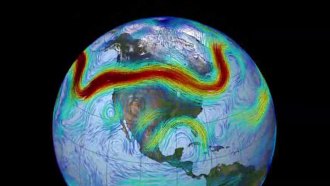
Scientists Say: Jet Stream
You might hear about the jet stream on a weather report, but what is it? We explain.