All Stories
- Animals
News Brief: Bees prefer caffeine-spiked nectar
Bees usually alert friends to sources of especially sweet nectar. But a new study finds caffeine is every bit as appealing to them as the sugar is. And that could compromise the quality of their honey.
- Agriculture
The dirt on soil
More than just dirt, soils teem with microbes essential for growing crops. Soils also help prevent floods and even play a role in climate change.
- Chemistry
Got milk? Do you know what’s in it?
One teen was dismayed to learn milk might host harmful pollutants. This prompted him to use his science fair project as a way to find out just what was in his favorite drink.
- Space
Pollution may give ‘first’ stars a youthful look
The oldest stars should be made of only light elements. But these suns may have sucked up heavier elements, giving them a more youthful appearance, a new study finds.
-
Cookie Science: A bit about butter
I teamed up with the ACS Reactions team to make a video about cookie science. Here are the details of our experiment.
- Animals
Humans are ‘superpredators’
A new study compares the hunting habits of wild animals and humans. People, it turns out, are unlike any other predator on Earth.
-
Hitting headgear hard to head off concussions
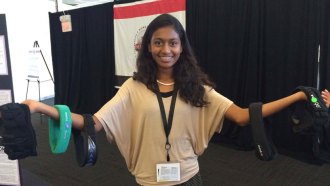
When one soccer player saw her friends getting head injuries, she decided to do something about it. She used her science fair project to test protective headgear.
- Brain
Study challenges safety for teens of two depression drugs
Scientists reanalyze data on the safety of common drugs to treat depression and find that they don’t seem to help teens. Worse, the drugs may harm them.
- Animals
Wolves beat dogs at problem-solving test
When treats are at stake, wolves outperformed dogs at opening a closed container. The dog’s relationship with humans may explain why.
- Plants
Scientists Say: Xylem
How do trees ferry water from the soil to branches hundreds of feet in the air? This week’s word is the answer.
- Health & Medicine
News Brief: People shed clouds of tell-tale germs
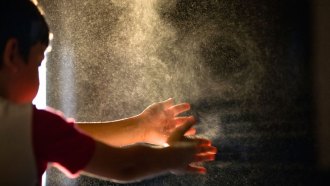
Even after someone has left a room, a cloud of his or her germs laces the air, new data show. Watch out: That mix can be very individual — and even ID you!
- Animals
Cool Jobs: Finding new uses for nature’s poisons
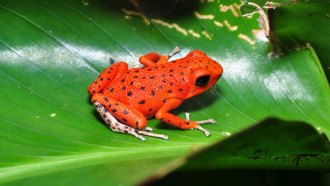
Scientists study toxins and other natural compounds in search of alternatives to ineffective antibiotics and dangerous pesticides.