All Stories
- Materials Science
Scientists Say: Kevlar
Many people hear Kevlar and think of body armor. But this polymer is in so much more.
-
Annoying those who bathe too long cuts shower waste
Showering too long can waste a lot of water. This teen rigged up a system to irritate people who linger.
- Humans
Bronze Age mummies unearthed in Great Britain
Bronze Age communities from southern England to Scotland appear to mummified their dead. Tests show this occurred between roughly 3,000 and 4,000 years ago.
- Health & Medicine
How to print shape shifters
3-D printing was only the beginning. Scientists are pursuing 4-D printing, creating objects that can move and interact with their surroundings.
- Health & Medicine
Teen friendships may make for healthier adults
Scientists find that strong teen friendships — and a tendency to follow the crowd — may lead to better health in their 20s.
- Brain
Stuffy classrooms may lower test scores
New research links fresh air in classrooms to test scores. Elementary-school students in stuffy classrooms, it found, may perform worse on standardized tests.
- Chemistry
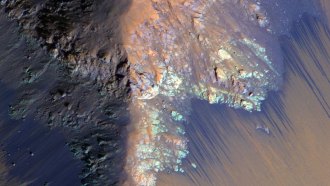
Picture This: Evidence of liquid water on Mars
Mars hosts surface salt deposits. They appear to come from seasonal water flows on the Red Planet, a new study concludes.
-
Competition seeks students’ bright ideas
The best way to learn how light can affect sleep is through research. A new competition offers middle-school students the opportunity to learn — and win cash prizes.
- Fossils
Fossils: Is this new species a human relative?
Fossils found in an underground cave in South Africa may be from a previously unknown species of the human genus, Homo.
- Plants
Scientists Say: Urushiol
Poison ivy looks harmless, but its oil, urushiol, is not. This is the plant’s oil that leaves an itchy rash or blisters on your skin.
- Humans
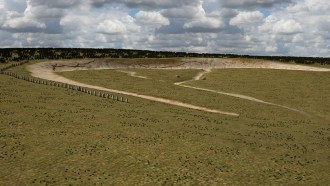
Picture This: ‘Super-henge’ buried near Stonehenge
Scientists using ground-penetrating radar discovered a massive stone monument, now buried, at a prehistoric village near Stonehenge.
- Earth
Cool Jobs: Finding foods for the future
What's for dinner... tomorrow? Scientists are developing new foods to meet the demands of the growing population in a changing world.