All Stories
- Fossils
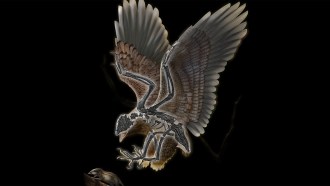
This ancient bird rocked a head like a T. rex
This bird from 120 million years ago had a head like a dinosaur and a body more like today’s birds.
- Space
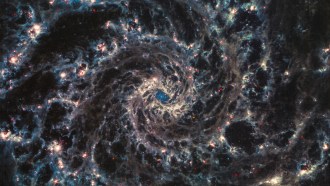
James Webb telescope catches newborn stars sculpting spiral galaxies
Dark voids riddle the galaxies, revealing new details about how stars alter their environments.
- Fossils
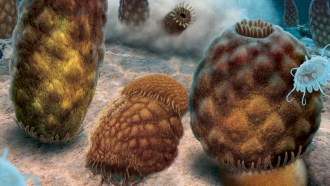
Ancient jellyfish? Upside down this one looks like something else
A new look at an ancient sea animal called Essexella suggests it may have been a type of burrowing sea anemone, not a floating jelly.
- Physics
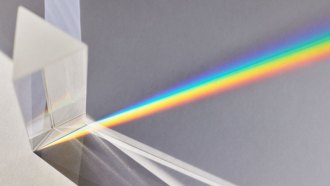
Explainer: Reflection, refraction and the power of lenses
The inner workings of microscopes, telescopes, eyeglasses and other lens-based devices rely on two important laws of optics.
- Tech
Nanocrystal ‘painted’ films may someday help relieve summer heat
The rainbow palette and cooling powers of new plant-based films comes from their microscopic surface patterns of tiny crystals.
- Tech
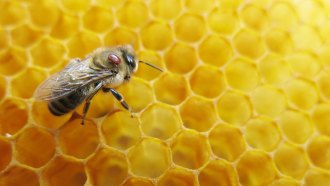
A device spots and counts honeybees hosting a dangerous parasite
At Regeneron ISEF, three teens debuted an infrared system to detect honeybees carrying mites. It can show beekeepers when a colony needs to be treated.
- Brain
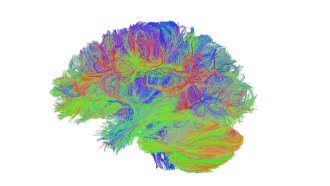
Scientists Say: Connectome
A connectome is a diagram of the cellular highways that carry information in the brain.
- Environment
Older diesel school buses linked to more student absences
Schools that replaced or upgraded old diesel school buses increased student attendance rates, new research shows.
- Psychology
Supportive spaces help LGBTQ+ youth thrive in school and beyond
Schools are safer and more welcoming when their policies respect and affirm LGBTQ+ students. Clubs can push for changes that boost kids’ mental health.
- Environment
Making yards more diverse can reap big environmental benefits
Replacing grass with native plants uses less water and fewer chemicals while providing additional benefits to people and wildlife.
- Space
Here’s why the moon must get its own time zone
But should moon time be like Earth time — or quite different? At issue: The moon’s lesser gravity will make seconds there tick faster than on Earth.
- Animals
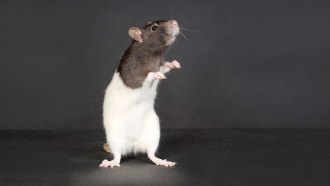
Rats can bop their heads to a musical beat
Rats’ rhythmic response to human music doesn’t mean they like to dance. But it may shed light on how brains evolved to perceive rhythm.