
All Stories by Bethany Brookshire
-
When teens fall in love — with science
Finalists at the Intel Science Talent Search competition tell Eureka! Lab about that moment when they knew they loved science.
-
Teen adds tiny bits of clay to make cement go with the flow
Flaws in cement contributed to the infamous Deepwater Horizon disaster. A teen hopes to create a better sealant.
-
Teen hunts exoplanets at our galaxy’s center
The center of our galaxy is full of stars. A teen showed there might just be unknown planets in the mix.
- Math
Scientists Say: X-axis
The bars on a graph tell you nothing unless you know what they mean. The lines on the sides can let you know.
-
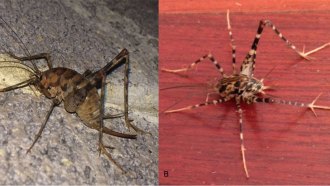
Citizen scientists spy on camel crickets
Ever seen a camel cricket — or spricket? Scientists asked homeowners about these hopping critters and found there may be a new invader on the loose.
-
-
Why teachers send mixed messages on climate science
Most middle- and high-school teachers now cover climate change. But they don’t always emphasize that scientists agree that human actions are a primary driver.
-
Scientists Say: Replication
A scientist can run an experiment and get a result. But that result won’t be truly trustworthy until other scientists rerun the tests and replicate the findings.
-
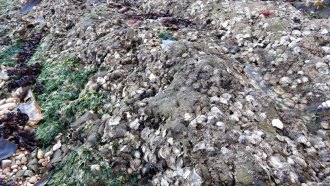
Oysters dine on ocean plastic
When oysters suck up microplastics, they have fewer and smaller offspring, a new study shows.
-
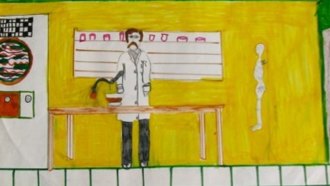
Students depict more scientists as women than ever
The image of a male scientist with crazy hair is slowly becoming less, well, male, new research shows. Yet, sadly, the nerd-factor remains.
- Physics
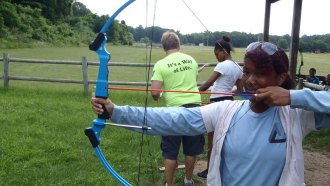
Scientists Say: Potential energy
This is the energy an object has because of its position or condition.
-
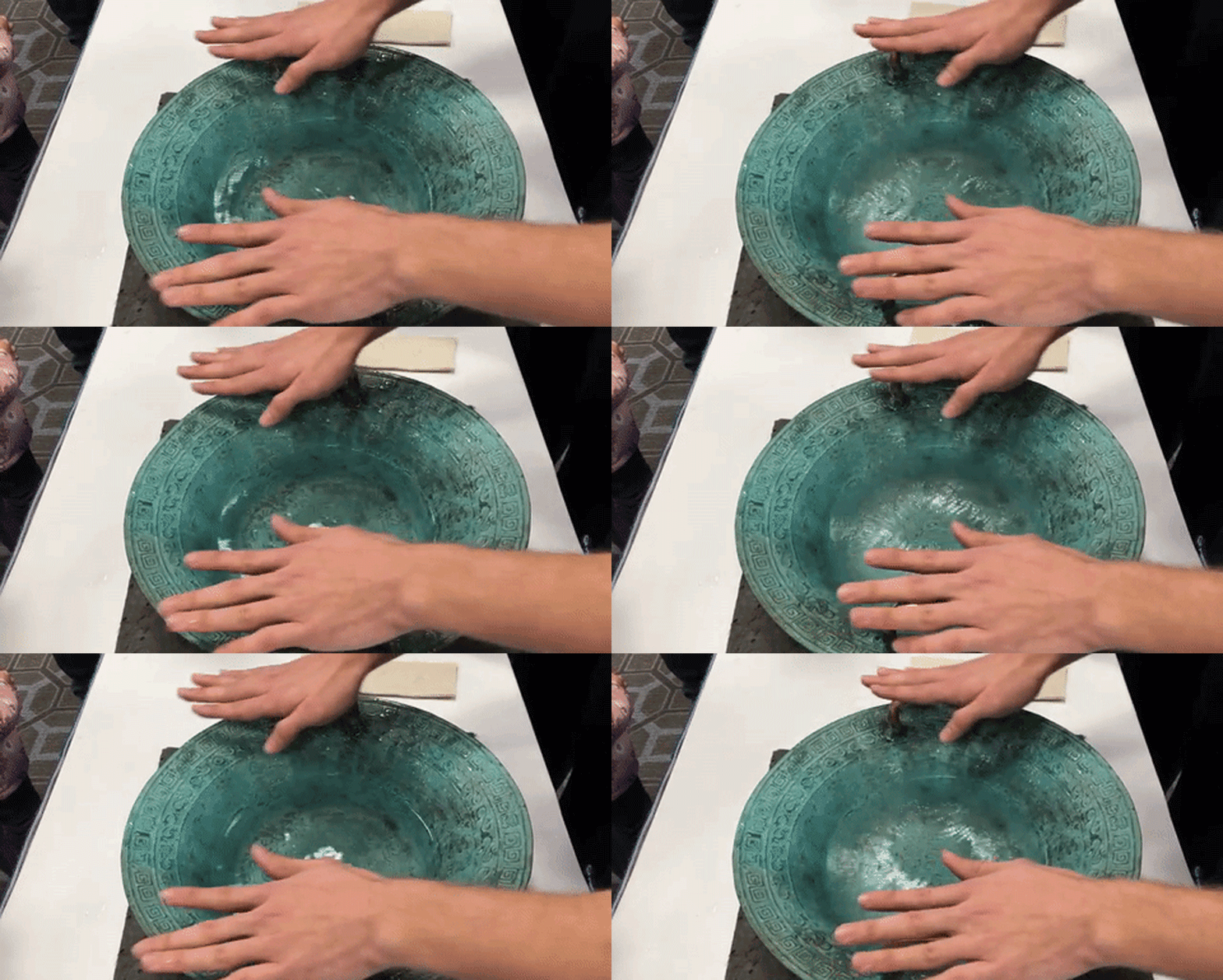
Watching water dance and seeing music as lights at family science expo
Family science days offers science learning for everyone, from good vibrations to endangered animal species.