
All Stories by Bethany Brookshire
-
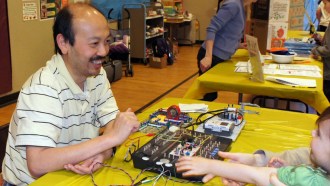
A toy to visualize the body’s electricity
A hands-on way to let kids experiment with neuroscience placed second in the first annual Science, Play and Research Kit contest.
-
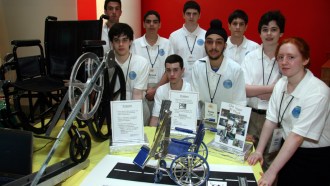
A new grant for young inventors
Lemelson-MIT has a grant that lets high school students flex their design muscles. The new program offers guided instruction for younger students.
-
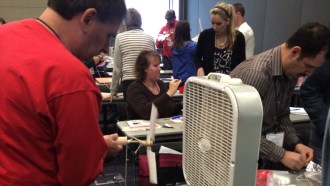
Teaching clean energy with the power of wind
A build-your-own wind energy machine can be a fun and inexpensive way to practice engineering and discover the power of wind.
- Physics
Sending student science to space
Two teachers describe how they worked with the Student Spaceflight Experiments Program to get middle-school scientists excited about research and space.
-
NOAA takes the Internet on a deep-sea tour
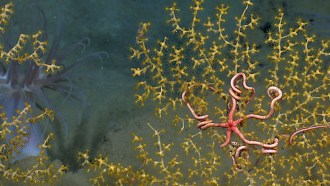
From April 12 to 30, the U.S. government is offering free live video and educational materials to explore the Gulf of Mexico’s deep realm.
-
Brewing a cup of chemistry
Andrew West and Aaron Sickel wanted to help teachers combine engineering and chemistry in the classroom. They developed an experimental approach using the power of coffee.
-
Students compete to stop cyber crime
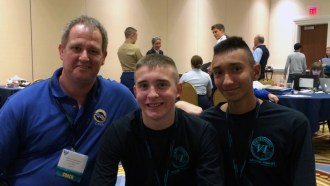
The Air Force Association’s yearly CyberPatriot competition trains middle and high school students to defeat cyber bad guys trying to get in to their computer systems.
-
A hand-held, crank operated chemistry set
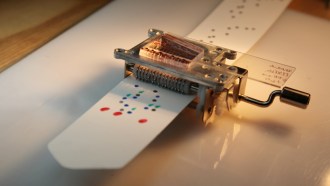
A new competition hoped to find a chemistry set for a new generation. And the winner looks nothing like the sets your parents played with.
-
Mayim Bialik shares her STEM inspiration
The Big Bang Theory’s neuroscientist Amy Farrah Fowler is played by a real neuroscientist. Mayim Bialik told educators at the National Science Teachers Association meeting what inspired her to go into science: an inspiring biology tutor.
-
Teachers’ meeting brings birds, bones and robots
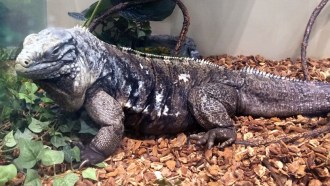
The National Science Teachers Association meeting draws educators from all over the country. Exhibitors brought in everything from robots to iguanas to steal their attention.
-
A wheelchair doesn’t stop this scientist from soaring to the treetops
Rebecca Tripp talks about studying tardigrades, extreme organisms that live in the tallest of trees, and how she continues to pursue her dream to be a conservation biologist.
-
Cartoons help make basic genetics fun
Genetics is far more than the letters in your textbook. A former high school aims to bring some fun to learning about your DNA.