Questions for ‘A mosquito’s mouth can ‘print’ lines thinner than a human hair’ 
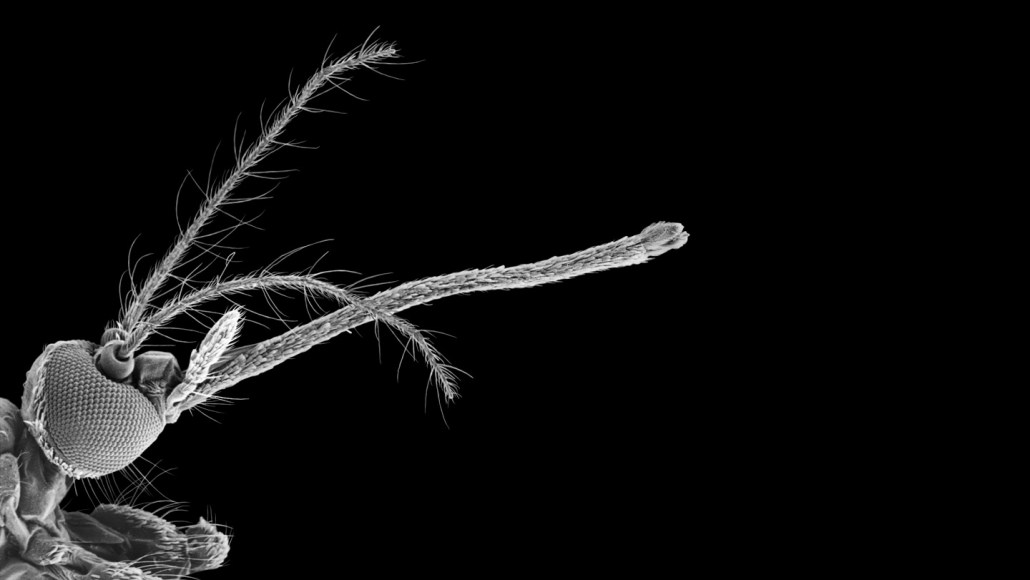
A scanning electron micrograph shows an mosquito head with a compound eye and two long, hair-covered antennae on a black background.

The proboscis of a mosquito (seen in this scanning electron microscope image of one insect’s head) is used for piercing skin. It’s also perfect for precision 3-D printing.

DENNIS KUNKEL MICROSCOPY/Science Source

To accompany A mosquito’s mouth can ‘print’ lines thinner than a human hair

SCIENCE

Before Reading:

  1. Do you consider 3-D printing an extremely valuable, somewhat valuable or useless technology? Explain why. Use an example to support your explanation.
  2. What are two obstacles that make 3-D printing technology inaccessible to some people? Explain your answer.

During Reading:

  1. What sets “3-D necroprinting” apart from typical 3-D printing?
  2. Why does Daniel Preston say that borrowing parts from nature might make the technology accessible to more people?
  3. List two biological parts that Changhong Cao’s team tested, but discarded.
  4. Identify one reason that the mosquito’s proboscis was chosen for this application.
  5. Describe one alteration the team had to make to the mosquito proboscis. What potential problem did this alteration help avoid?
  6. Compare the inner diameter of a typical commercially available dispenser tip in micrometers with the mosquito proboscis tip.
  7. How do you think microengineering differs from typical engineering? What does Preston mean when he says this technology could make microengineering more sustainable?

After Reading:

  1. Jianyu Li gives an example of an additional application for the mosquito’s proboscis that he says his team would like to investigate. What is this application? Refer back to the characteristics of the proboscis. Point out two traits that would make it a potentially good candidate for this application.
  2. With a partner, discuss the ethics of necroprinting and necrobotics. Do you think this type of bioengineering should be allowed? If you were a scientist in this field, what would be important things to consider?