Questions for ‘Big goals can feel overwhelming. Here’s how to stay on track’
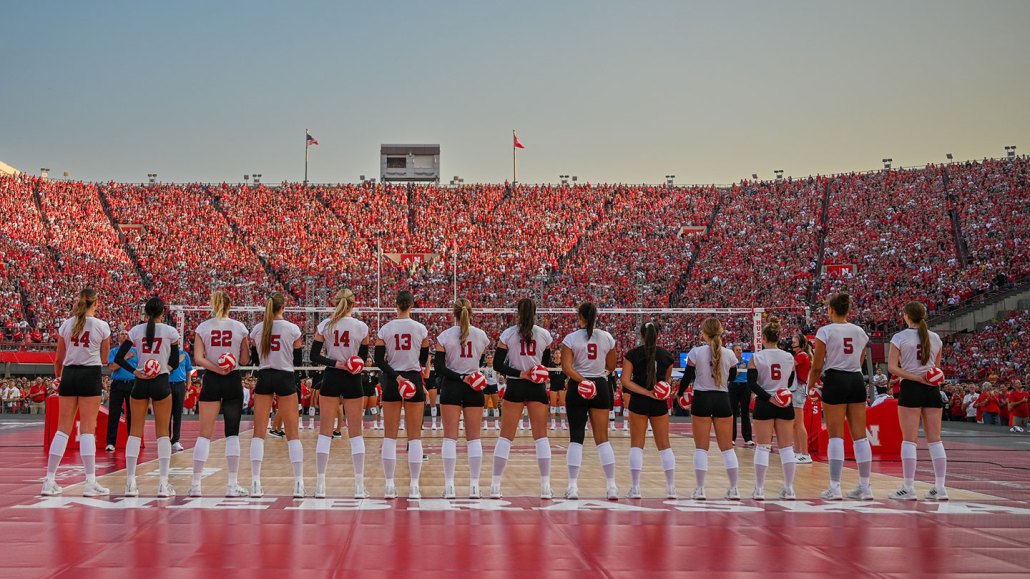
a woman's volleyball team in a full arena facing their audience. The women are standing in a straight line, holding volleyballs behind their backs.

Nebraska volleyball players are no strangers to setting and achieving big goals. They set the worldwide attendance record for women’s sports in August 2023, with more than 92,000 fans cheering them on.

Steven Branscombe/Stringer/Getty Images Sport

To accompany Big goals can feel overwhelming. Here’s how to stay on track

SCIENCE

Before Reading:

  1. Come up with one goal for yourself. Pick something you could potentially achieve within about six months at the most. If you wanted to plan a path toward pursuing this goal, how would you approach the planning process? Write a paragraph describing how you would go about organizing the steps toward turning this goal into reality.
  2. How important do you believe goal-setting is? Explain your answer in one or two sentences. Give a specific example of a scenario when it would likely benefit you to set a goal.
  3. When you set goals, do you lean toward setting big goals or small ones? As a general rule, do you believe big goals are more important than small ones (or the opposite)? Briefly explain your answer.

During Reading:

  1. What is an “ace” in volleyball?
  2. In one sentence, describe the general approach to goal-setting used by the Cornhuskers’ volleyball team.
  3. Describe how a person’s attention generally changes after setting a goal.
  4. According to a 2025 study, how did the focus of runners change as they approached the finish line?
  5. Explain the role of the eye-tracker in the healthy-eating study.
  6. What is one advantage of small goals compared to large ones?
  7. Give one example of how an athlete might build confidence before a sports event.
  8. How does describe working memory differ from long-term memory?
  9. How does someone’s use of working memory and long-term memory change when developing a new skill?
  10.  List the three types of tokens in Sneha Aenugu’s decision-making study.

After Reading:

  1. Come up with one goal. Pick something you care about, even if it seems out of the ordinary. Also, be sure to pick something that you have some control over. (For example, winning the lottery isn’t a good goal because it’s not in your power to achieve.) Feel free to use the same goal from Question #1 in Before Reading. Give a specific example of how you might apply an idea from this story to improve your chances of achieving this goal.
  2. Besides what is mentioned in this story, what are other tips or suggestions that might help someone better achieve their goals? Come up with two.