Ecosystems: Interactions, Energy, and Dynamics
- Animals
Horned lizards and snakes tend to ambush their prey
The reptiles’ horns could help or hinder during foraging, depending on how they hunt. This might be why horns evolved in some species and not others.
- Life
Has the Endangered Species Act saved species from extinction?
After 50 years, this landmark law has kept many species alive — but few wild populations have recovered enough to come off the “endangered” list.
- Ecosystems
Restoring giant underwater forests, one blade at a time
Giant kelp are at risk due to climate change and human activities. In New Zealand, a community effort is rebuilding these underwater algal forests.
- Oceans
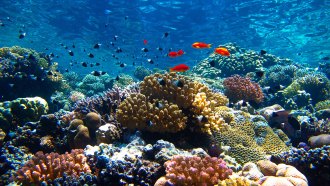
Shading corals during midday heat can limit bleaching
Shading coral reefs during the sunniest part of the day may help corals survive marine heat waves.
- Animals
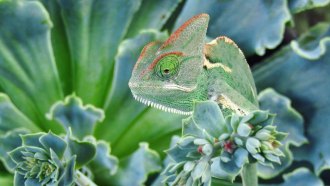
Scientists Say: Camouflage
Plants and animals alike hide in plain sight using this sneaky strategy.
- Environment
Pumping cold water into rivers could help fish chill out
Hundreds of salmon, trout and other fish sought shelter from summer heat in the human-made cool zones. These areas may help fish adapt to river warming.
- Animals
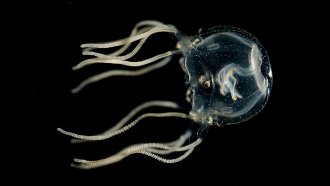
These jellyfish can learn without brains
No brain? No problem for Caribbean box jellyfish. Their simple nervous systems can still learn, a study suggests.
- Tech
Bits of trees can make and store energy for us to use
This cellulose and lignin, two major building blocks of trees, could lead to greener electronics.
- Tech
Bionic plants and electric algae may usher in a greener future
Some can aid the climate by removing pollutants. Others would just avoid dirtying the environment in the first place.
- Climate
Some tree leaves are finding it too hot for photosynthesis
Earth’s ongoing fever threatens to push entire forests toward this heat limit — and possible death.
- Plants
Young corn leaves can ‘smell’ danger
As they mature, these leaves lose their ability to detect threatening scents.
- Plants
Scientists Say: Fertilize
This word describes both a stage of sexual reproduction and the agricultural practice of adding nutrients to soil.