Ecosystems: Interactions, Energy, and Dynamics
- Animals
Goldfish driving ‘cars’ offer new insight into navigation
Fishes’ internal sense of direction is not limited to their natural environment. The latest Wild Things cartoon from Science News for Students.
- Brain
Addiction can develop when reward-seeking changes a teen’s brain
Over time, the pleasure disappears and craving grows. That craving causes stress that can drive people to use drugs or pursue unhealthy behaviors again and again.
- Chemistry
Scientists Say: Decay
This word can refer to rotting flesh or the transformation of radioactive atoms.
- Animals
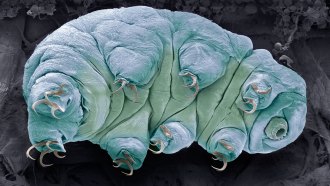
Living mysteries: Why teeny-weeny tardigrades are tough as nails
Tardigrades often live in cool, damp moss. Their cushy life has somehow prepared them to survive the lethal radiation of outer space.
- Animals
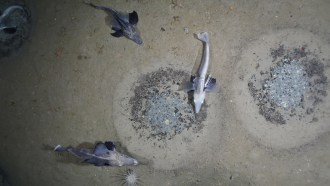
World’s biggest colony of nesting fish lives beneath Antarctic ice
Totally unexpected, it’s far, far larger than any other known community of nesting fish — fully one-third larger than the area of Washington, D.C.
- Ecosystems
Recycling a climate-warming gas could make ‘greener’ farmed fish
Instead of warming the climate, methane gas can be collected to help farmers. Along the way, it may also save some fish.
- Life
Scientists Say: Bacteria
Bacteria get a bad rap for making people sick, but only a tiny portion of these single-celled creatures cause disease.
- Life
In blazing heat, some plants open leaf pores — and risk death
When heat waves and droughts collide, water is precious. Some thirsty plants try to cool off by opening tiny pores — only to lose water even faster.
- Chemistry
Could reusable ‘jelly ice’ cubes replace regular ice?
These hydrogel “jelly ice cubes” are made mostly of gelatin and water. They won’t melt, even when thawed, and may provide new food cooling options.
- Animals
Explainer: What is an invasive species?
These foreign organisms hitchhike, spread widely and stir up trouble in native ecosystems.
- Animals
Rewilding returns lost species to strengthen ecosystems
Restoring the missing species can help undo human-caused problems by aiding forests, slowing climate change and reducing wildfires.
- Animals
Scientists discover the first true millipede
The newfound deep-living species tunnels belowground using a whopping 1,306 legs!