Ecosystems: Interactions, Energy, and Dynamics
- Animals
As the tropics warm, some birds are shrinking
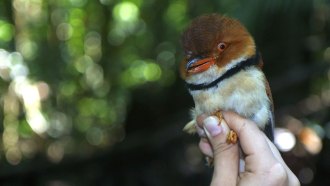
Migratory birds are getting smaller as temperatures climb, studies had showed. New evidence shows dozens of tropical, nonmigratory species are, too.
- Animals
A panda stands out at the zoo but blends in the wild
A panda may stand out among bamboo at the zoo, but in the wild, its black-and-white coloring camouflages it from predators. Learn more with this web comic.
- Chemistry
A new way to make plastics could keep them from littering the seas
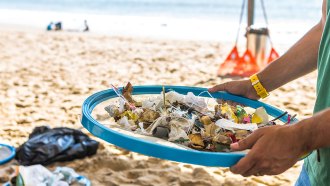
Borrowing from genetics, scientists are creating plastics that will degrade. They can even choose how quickly these materials break down.
- Earth
Scientists Say: Savanna
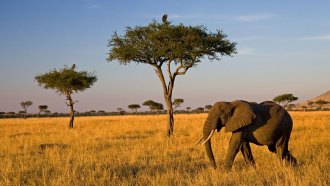
Savannas exist where there is more rainfall than in a desert, but less than in a forest.
- Climate
Secret forest fungi partner with plants — and help the climate
Forest fungi are far more than mere mushrooms. They explore. They move nutrients and messages between plants. They can even help fight climate change.
- Animals
Meat-eating bees have something in common with vultures
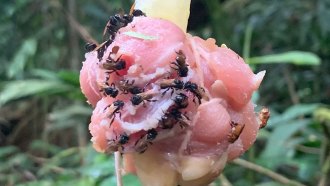
Flesh-eating bees have acid-producing gut bacteria, much as vultures do. It lets them safely snack on rotting meat.
- Animals
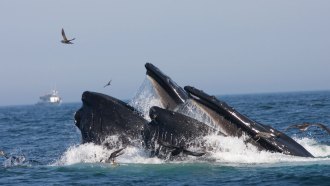
Baleen whales eat — and poop — a lot more than we thought
The amount of food that some whales eat and then poop out suggests these animals have a powerful influence over ocean ecosystems.
- Plants
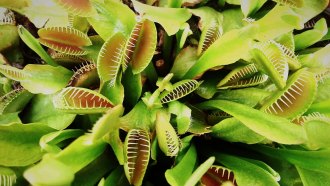
Let’s learn about meat-eating plants
Carnivorous plants use a variety of strategies to lure in and capture their prey, from sticky traps to jawlike leaves.
- Climate
Here’s how some sea-loving trees ended up far from the coast
This “relict ecosystem” that’s more than thousands of years old moved inland due to warming and a rise in sea levels.
-
- Plants
Scientists Say: Phloem
Phloem is tissue that delivers food, made in leaves during photosynthesis, to the rest of a plant.
- Animals
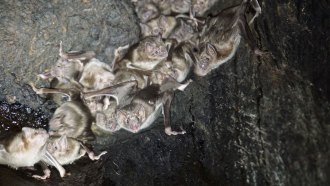
Bloodthirsty vampire bats prefer drinking with friends
Vampire bats were known to bond with others in their roost. Now, research suggests bonded bats often drink blood from animals together.