Ecosystems: Interactions, Energy, and Dynamics
- Animals
Common parasite may help mussels survive heat waves
By whitening shells, the organism helps the shellfish stay cool on sunny days, a new study suggests.
- Animals
Most species of beetles pee differently than other insects
Scientists uncover their unique system for balancing ions and water. The findings may hint at why beetles are the most diverse animals on Earth.
- Environment
Pond scum can release a paralyzing pollutant into the air
New study finds blooms of blue-green algae can seed the air with a poisonous pollutant.
- Animals
A common antibiotic might save some sick corals
The antibiotic amoxicillin stopped tissue death in corals for at least 11 months after treatment.
- Environment
Warning: Wildfires might make you itch
Western wildfires are on the rise due to climate change and land use. Now a study adds eczema to the list of health risks that smoke might trigger.
- Animals
Only 3 percent of Earth’s land is unchanged by people
A sweeping survey of land-based ecosystems finds that very few still support all the animals they used to. Reintroducing lost species could help.
- Animals
Analyze This: Invasive species cost the world billions each year
A new study estimates that invasive species have cost the world more than $1 trillion since 1970. That’s almost certainly an underestimate.
- Animals
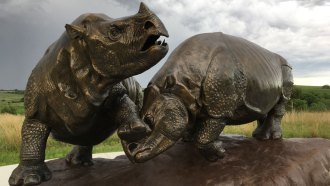
Rhinos, camels and bone-crushing dogs once roamed Nebraska
Scientists digging into the remnants of an ancient watering hole in Nebraska discovered evidence of an Africa-like savanna, complete with rhinos.
- Animals
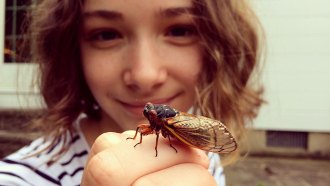
Explainer: What are cicadas?
There are more than 3,000 species of cicadas, but the best known in North America are periodical cicadas, which emerge every 13 or 17 years.
- Animals
How bees play telephone to form a swarm
Honeybees use pheromones and flapping wings to tell each other where to find the queen — so they can all be together. Learn more with this web comic.
- Climate
Urchin takeover underlies California’s vanishing kelp forests
Some 95 percent of kelp forests along its northern coast are gone. Meanwhile, sea otters are helping slow the loss of surviving kelp farther south.
- Animals
Let’s learn about dogs
From learning the names of their toys to sniffing out viruses in human sweat, dogs are far more than household pets.