Ecosystems: Interactions, Energy, and Dynamics
- Health & Medicine
Remdesivir is looking even better at fighting COVID-19
New studies suggest the drug remdesivir not only speeds recovery of COVID-19 patients in the hospital, but lowers their risk of death from the virus.
- Animals
Pooping ducks can shed the live eggs of fish
Some carp eggs survived and even hatched after being pooped by a duck. This may help explain how invasive fish reach isolated waterways.
- Animals
Tube-dwelling sea creatures may be oldest known parasites
A fossil bed of clam-like animals from a half-billion years ago is covered in tube-dwelling organisms. These suggest the tube dwellers were parasites, scientists now report.
- Animals
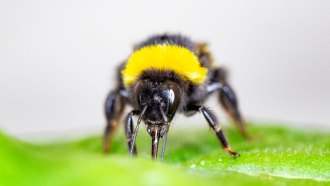
Bumblebees may bite leaves to spur plant blooming
In a pollen shortage, some bees nick holes in tomato leaves. This can speed up flowering and pollen production by weeks.
- Animals
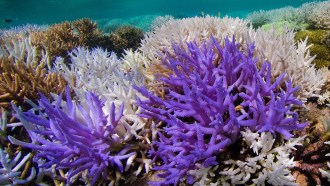
Going bright may help corals recover from bleaching
When some corals bleach, they turn neon colors. Flashy hues may be part of a response that helps these corals recover and reunite with their algae.
- Animals
Toxic germs on its skin make this newt deadly
Bacteria living on the skin of some rough-skinned newts make tetrodotoxin. This paralyzing poison is also found in pufferfish.
- Health & Medicine
Deadly heat: Expected by century’s end, it’s here already
Instances of hot and humid conditions that threaten human lives are on the rise.
- Materials Science
Silk-based microneedles may help treat diseased plants
Engineers have invented silk microneedles to inject medicines into plants. One day farmers might use drones to dart their sick plants with meds from the air.
- Archaeology
This cave hosted the oldest known human remains in Europe
Bone fragments, tools and other finds in Bulgaria suggest that Homo sapiens moved rapidly into Eurasia as early as 46,000 years ago.
- Animals
Why you’re spotting more wildlife during COVID-19
People are seeing more animals than they did before the pandemic. There are many reasons why.
- Animals
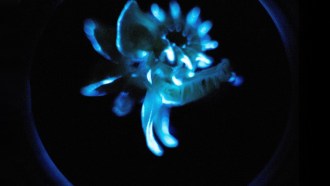
This tube worm’s glowing slime may help sustain its own shine
Snot oozed by a marine tube worm can glow for up to 3 full days. The secret of how this works might lead to long-lasting lights that glow on and on.
- Life
Planets with hydrogen skies could harbor life
Microbes can live in a hydrogen atmosphere. This points to new space worlds that host alien life.