Ecosystems: Interactions, Energy, and Dynamics
- Climate
5 things to know about the climate-saving benefits of tree planting
A recent analysis of the benefits of massive efforts to plant more trees triggered a firestorm of controversy.
- Brain
Surprise! Exam scores benefit from months of regular sleep
Getting enough consistent, quality sleep accounted for nearly a fourth of the differences in students’ exam scores in class.
- Health & Medicine
Drug-resistant germs kill some 35,000 Americans each year
The new mortality rate may be way low, some experts say. Also troubling are two new germs that have emerged as big and urgent threats.
- Animals
Whales echolocate with big clicks and tiny amounts of air
Toothed whales may echolocate using bits of air that they recycle inside their heads to conserve both air and energy.
- Brain
As teens gain weight, they find high-fat foods less pleasurable
Teens who gained excess weight showed less activity in the brain’s reward center when viewing or tasting foods with lots of fat.
- Animals
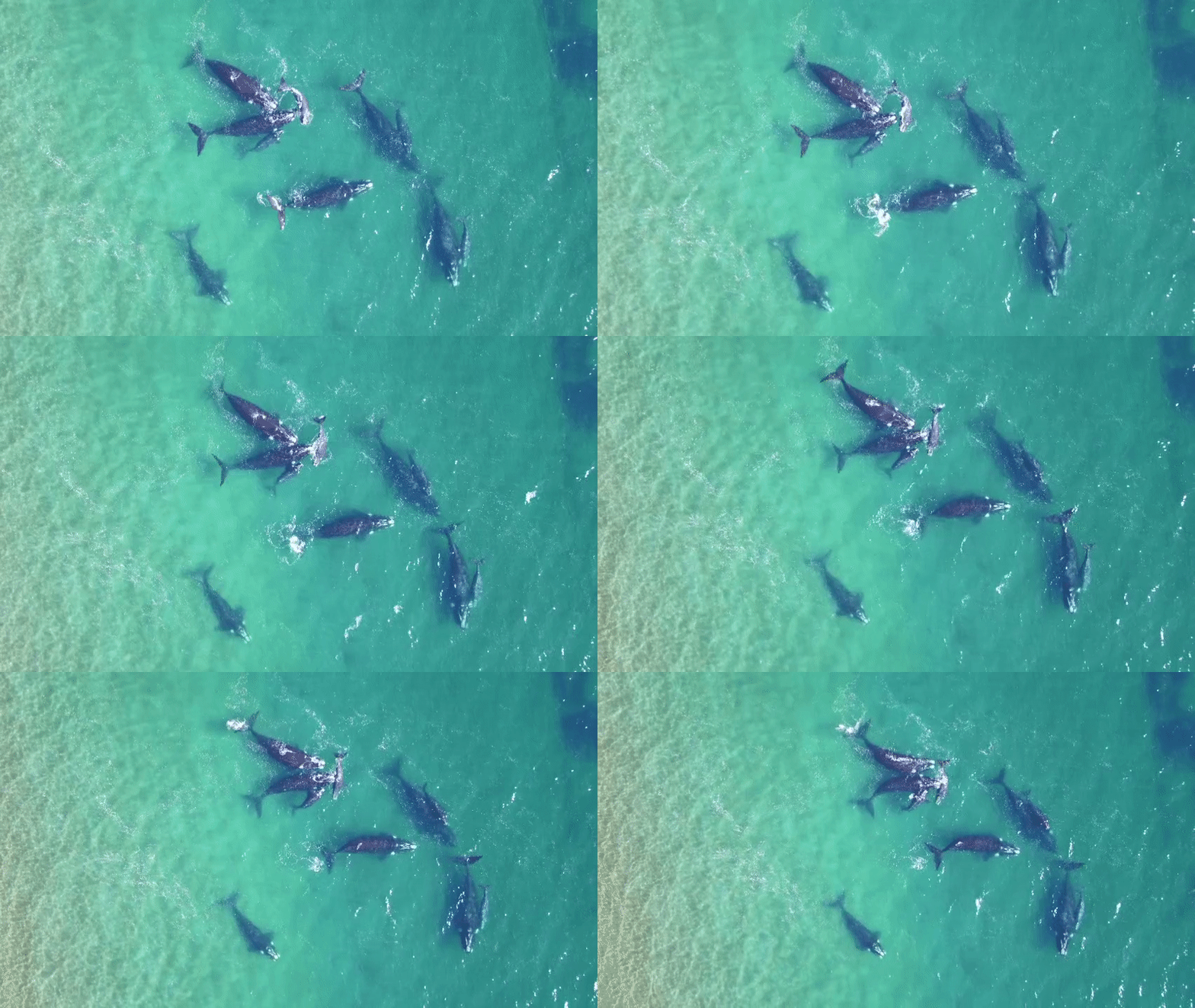
Drones help scientists weigh whales at sea
Drone imagery lets scientists estimate a whale’s weight. And that may help monitor the health of these big mammals for conservation purposes.
- Chemistry
Scientists look to hack photosynthesis for a ‘greener’ planet
Photosynthesis turns sunlight into energy for plants. Scientists want to know more about it, imitate it — even improve it.
- Health & Medicine
By the numbers: How infectious measles and other diseases spread
A number called R0 measures how contagious an infectious disease is. It helps explain why measles is so dangerous.
- Life
Explainer: Prokaryotes and Eukaryotes
Prokaryotes tend to be small and simple, while eukaryotes have embraced a highly organized lifestyle. These divergent approaches to life have both proved very successful.
- Animals
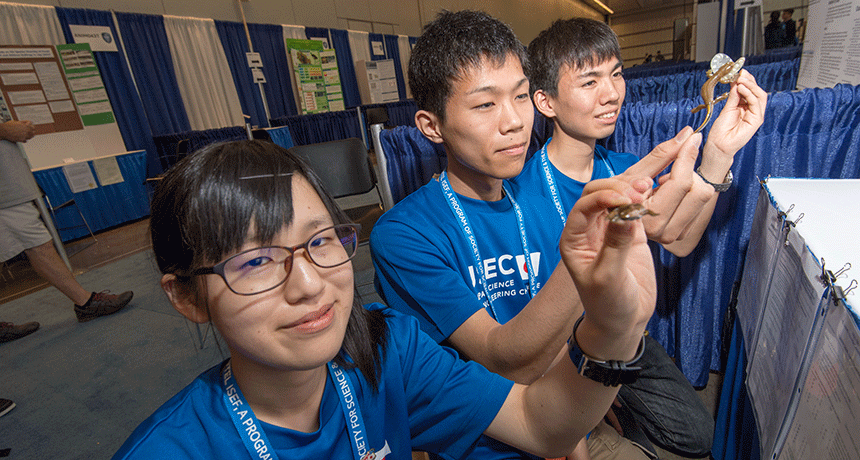
Hunting hidden salamanders with eDNA
The Japanese clouded salamander is an elusive beast. To find a new population, three teens turned to high-tech methods.
- Animals
‘Boot camp’ teaches rare animals how to go wild
Animals raised in captivity cannot safely re-enter the wilds without first understanding how to find food and avoid becoming a predator’s lunch. Scientists are helping some species learn this.
- Ecosystems
Small swimmers may play huge role in churning the seas
Hoards of migrating shrimp and krill can cause large-scale water movements in the ocean, a new study suggests.