Energy
- Tech
Magnetic fields melt and re-form new shape-shifting devices
Miniature machines made of gallium and magnetic particles can switch from solid to liquid and back.
- Materials Science
Let’s learn about piezoelectric materials
Piezoelectric materials turn mechanical energy into electrical energy — and vice versa.
- Physics
Explainer: Kinetic and potential energy
Kinetic energy depends on an object’s motion; potential energy hinges on its position. The relationship between the two sits in a special balance.
- Climate
The world is aiming for ‘net zero’ emissions of greenhouse gases
Nations are charting how they might ‘zero’ out their releases of climate-warming gases. Success might greatly lower the risks of climate catastrophes.
- Climate
Green energy is cheaper than fossil fuels, a new study finds
Switching over to clean, renewable power — and away from fossil fuels — could save trillions of dollars by 2050, a new study finds.
- Tech
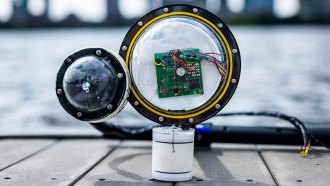
Underwater cameras get a new power source — sound!
Needing no batteries, a new digital camera can run almost continuously to offer new, deeper insights into the ocean world.
- Physics
Scientists Say: Fission
Nuclear fission is the process of splitting atoms apart to release huge amounts of energy.
- Animals
Insect swarms might electrify the air as much as storm clouds do
Honeybees that flew over a voltage sensor sparked a new look at the effect of insects on electricity in the atmosphere.
- Physics
Explainer: What are the different states of matter?
Most people know solids, liquids and gases — but what about the four other states of matter?
- Physics
Scientists Say: LED
LEDs, or light-emitting diodes, light up TV screens, traffic lights and many other devices used in daily life.
- Science & Society
Teens’ new tech would send alerts to reduce preventable deaths
A trio of teen innovations created devices that can speed up the response time to pool accidents, overheating in cars and combat-related injuries.
- Animals
Orb-weaving spiders use their webs like external eardrums
Scientists discover that orb-weaving spiders listen with their legs, detecting sound vibrations that travel through their silken webs.