Energy
- Computing
Self-designed tattoos are fashionable technology
Researchers have created do-it-yourself temporary tattoos. They’re a fashion-forward way to control electronic devices.
- Physics
Famous physics cat now alive, dead and in two boxes at once
Splitting Erwin Schrödinger’s famous — and fictitious — cat between two boxes brings scientists one step closer to building quantum computers from microwaves.
- Chemistry
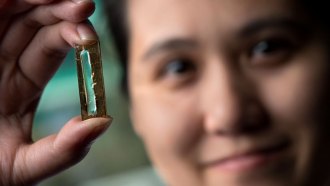
Nanowires could lead to super-long-lived battery
Scientists have long been looking for ways to make rechargeable batteries that last forever. They now may be close. Their solution: gel-dipped nanowires.
- Materials Science
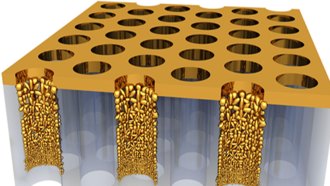
Sunlight + gold = steaming water (no boiling needed)
Nano-gold is the new black, at least when it comes to absorbing heat. When tiny gold particles get together, they become energy super-absorbers — turning them black.
- Physics
Scientists Say: Yottawatt
On Earth, scientists measure energy use in watts. When you have lot of those watts — one million billion billion — you have a yottawatt.
- Chemistry
Smash hit: Making ‘diamond’ that’s harder than diamonds
Scientists had suspected extreme meteorite impacts might turn graphite into an unusual type of diamond. Now they’ve seen it happen — in under a nanosecond.
- Physics
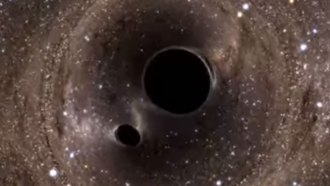
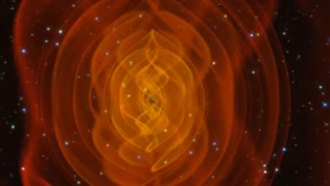
Black hole smashup sent out ‘yottawatts’ of power
When two black holes collided, they released a lot of energy in gravity waves. How much? How about 36 septillion yottawatts of power!
- Chemistry
Microbes mine treasure from waste
Like miniature factories, bioreactors house microbes recruited to chew through wastes to clean dirty water, make chemicals or generate electricity.
- Climate
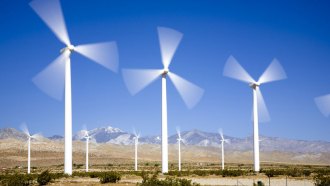
Cool Jobs: The power of wind
Science and engineering careers explore all aspects of wind, from terrible tornadoes to aeronautics and clean energy.
- Tech
Powered by poop and pee?
Scientists are developing methods to not only remove human waste from wastewater, but also to harness the energy hidden within it.
- Climate
Scientists ‘see’ thunder for first time
Scientists have captured the first image of thunder. The map shows the relative strengths of the sound waves emanating from the loud clap.
- Physics
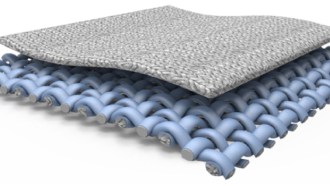
‘Smart’ clothes generate electricity
Scientists in South Korea have developed a fabric that captures energy from its wearer’s motions and turns it into electricity.