From Molecules to Organisms: Structures and Processes
- Animals
Abdominal fuzz makes bee bodies super slippery
Scientists find that tiny hairs on a honeybee’s abdomen reduce wear and tear as a bee’s outer skeletal parts rub against each other all day long.
- Animals
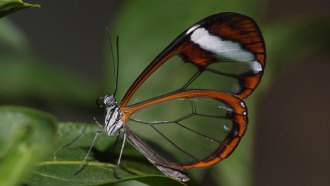
Uncovering secrets of the glasswing butterfly’s see-through wings
The tricks of its transparency include sparse, spindly scales and a waxy coated membrane.
- Life
Let’s learn about microbes
There may be a billion species of microorganisms on Earth — but scientists have only discovered a small fraction of them.
- Animals
Birds could get their sense of direction from quantum physics
Songbirds could detect north and south using a protein in their eye. It works somewhat like a compass.
- Animals
A bubble of air lets some lizards breathe underwater
Anolis lizards leap into streams to escape danger. Now researchers have figured out how they can stay underwater for up to a quarter of an hour.
- Plants
These ferns may be first plants known to work together as ants do
Staghorn ferns grow in massive colonies where individual plants contribute different jobs. This may make them “eusocial,” like ants or termites.
- Animals
Engineers surprised by the power of an elephant’s trunk
An elephant's trunk can suck air through it fast — at more than 335 miles per hour (150 meters per second)!
- Climate
‘Tree farts’ make up about a fifth of greenhouse gases from ghost forests
Heat-trapping gases from dead trees play an important role in the environmental impact of “ghost” forests.
- Animals
Most species of beetles pee differently than other insects
Scientists uncover their unique system for balancing ions and water. The findings may hint at why beetles are the most diverse animals on Earth.
- Plants
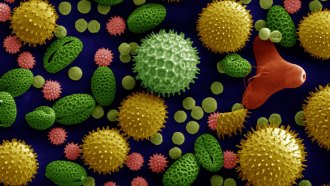
Scientists Say: Pollen
Pollen is a mass of tiny reproductive cells. These grains combine with egg cells to form seeds — but on the way, they can make some people miserable.
- Life
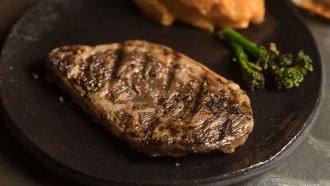
No animal died to make this steak
The ribeye steak is the first of its kind, and the latest in a growing list of meats printed with a 3-D bioprinter instead of being harvested from an animal.
- Chemistry
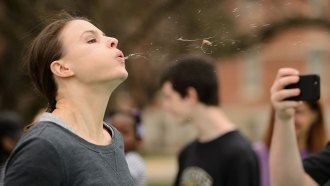
Cool Jobs: Saliva offers a spitting image of our health
Scientists are using this secretion to study our body’s functions, to test for disease and even to diagnose injury.