From Molecules to Organisms: Structures and Processes
- Fossils
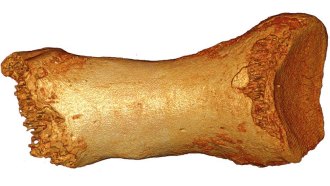
Neandertal toe contains human DNA
DNA from a 50,000-year-old Neandertal woman’s toe bone shows humans left a mark on the ancient species — and much earlier than scientists had thought.
- Brain
Vaping may threaten brain, immunity and more
New studies of e-cigarette vapor in animals and human cells find new risks to gene activity, behavior and male sperm.
- Animals
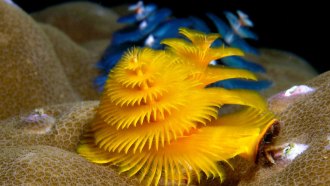
Picture This: Christmas tree worms
The tops of Christmas tree worms look like brightly colored plants. But they are really boneless marine animals with eyes that can breathe and gills that can see.
- Plants
Before eating, Venus flytraps must ‘count’
Researchers find that Venus flytraps respond to the number of times insects touch their sensory hairs. This tells them when it’s time to turn on digestion.
- Life
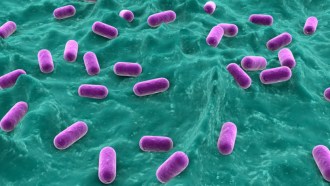
Cell recount: People host far fewer germs
Since the 1970s, microbiologists have been saying bacteria outnumber human cells in our bodies by about 10-to-1. A new analysis says that old number was a “fake” fact — and gross exaggeration.
- Health & Medicine
Explainer: What is skin?
The body’s soft, outer armor contains three layers, each with its own important role to play.
- Health & Medicine
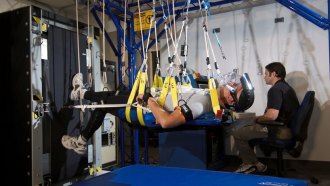
Cool Jobs: Researchers on the run
Researchers are taking running to extremes, from Olympic lizards to treadmills in space. The goal is to learn how athletes of all kinds can stay healthier.
- Earth
Bubbles may have sheltered Earth’s early life
For Earth’s earliest inhabitants, a bubble on the beach would have been the next best thing to a safety blanket.
- Health & Medicine
Allergies linked to obesity and heart risks
Children and teens with asthma, allergies or other autoimmune conditions tend to be overweight and show symptoms of heart-disease risks, a new study finds.
- Animals
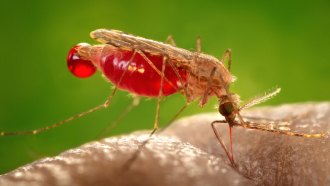
Gene editing swats at mosquitoes
A new genetic technique can render insects that spread malaria unable to reproduce.
- Agriculture
New gene resists our last-ditch drug
Antibiotic resistance continues to grow. Now, scientists have found a tiny loop of DNA that resists a drug doctors use as a last line of defense.
- Genetics
Expert panel approves human gene editing
Scientists have recently been reporting big advances in the ability to tweak the genes of living organisms, including people. But some question the ethics of doing that. A panel of experts now says such research can go ahead — with one major exception.