HS-ESS3-4
Evaluate or refine a technological solution that reduces impacts of human activities on natural systems.
- Environment
CO2 emissions have nosedived as COVID-19 keeps people home
The COVID-19 pandemic restricted travel that can pollute the air. By April, travel-related daily emissions of greenhouse gases was back to 2006 levels.
- Environment
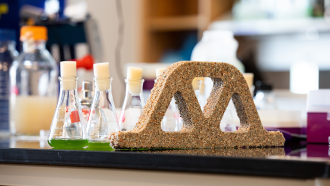
This ‘living’ concrete slurps up a greenhouse gas
Microbes help harden a mix of sand and gelatin into a living concrete that could interact with people and the environment in great new ways.
- Environment
Legos could last a disturbingly long time in the ocean
By looking at toys washed up on beaches, scientists have estimated how long it takes hard plastics to break down in the oceans. And it’s a long time.
- Earth
Laundry tweaks can help clothes last longer and pollute less
Clothes washed in cooler water and for less time shed less dye and fewer fibers, a new study finds. That’s better for clothes — and the environment.
- Chemistry
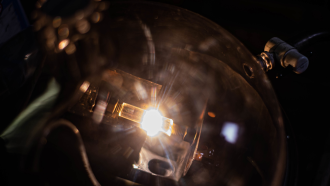
Converting trash to valuable graphene in a flash
Flash heating of carbon-rich wastes creates graphene, which has many commercial uses.
- Animals
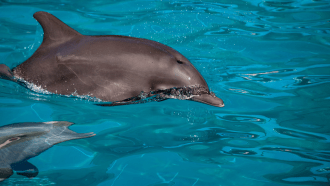
Drones might one day capture a dolphin’s breath in midair
High-speed footage of dolphin spray reveals that droplets blast upward at speeds close to 100 kilometers per hour.
- Chemistry
Help for a world drowning in microplastics
Microplastic pollution in our oceans and lakes is a problem. Scientists are testing solutions — from more biodegradable recipes to nanotechnology.
- Animals
Healthy coral reef sounds attract fish searching for a home
Playing the sounds of a healthy reef can help attract fish to dying corals, helping rebuild their community.
- Climate
5 things to know about the climate-saving benefits of tree planting
A recent analysis of the benefits of massive efforts to plant more trees triggered a firestorm of controversy.
- Environment
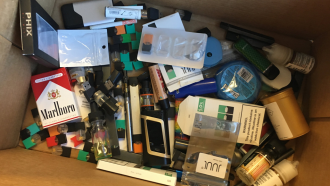
Don’t toss that vape!
Plenty of people talk about potential risks of vaping. But this teen habit also saddles schools with lots of trash — some of it quite toxic.
- Life
A new spin on lab-grown meat
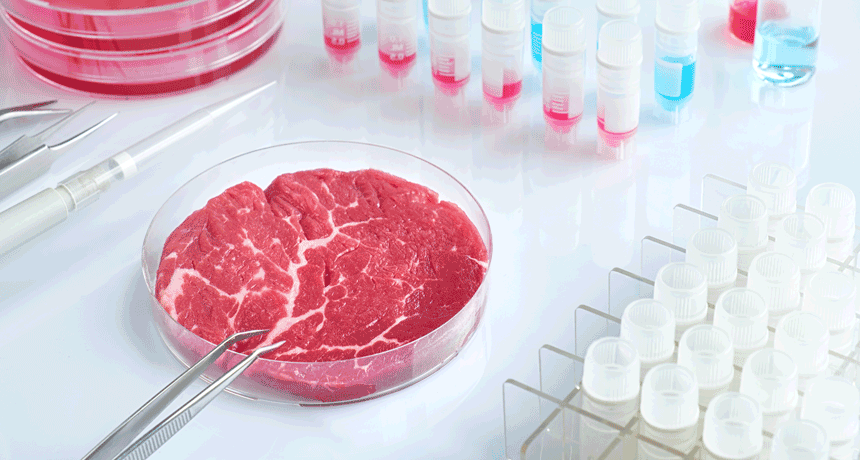
A technique inspired by how cotton candy is spun could help produce lab-grown meat at a lower cost and on a bigger scale.
- Animals
Ocean heat waves are on the rise — and killing coral
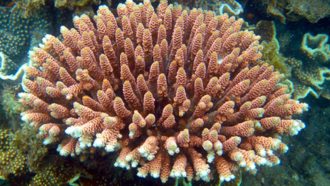
Ocean heat waves are becoming hotter and more frequent. And one can be blamed for the 2016 coral deaths on the Great Barrier Reef.