HS-ETS1-2
Design a solution to a complex real-world problem by breaking it down into smaller, more manageable problems that can be solved through engineering.
- Brain
Discovering the power of placebos
If you take a fake pill and expect to feel better, you may. Researchers are learning how this placebo effect works and how to use it to help patients.
- Animals
Analyze This: Sharks aren’t as scary as what you see on TV
In Shark Week shows, scientists found mixed messages about sharks, insufficient research support and little info on conserving endangered animals.
- Tech
Headphones or earmuffs could replace needles in some disease testing
A new system that uses earmuffs to collect gases coming out the skin could help doctors diagnose a variety of diseases, scientists say.
- Health & Medicine
What is the role of in-person classes in COVID-19’s spread?
New data haven’t shown that schools pose a big coronavirus risk to kids and their families, despite fears that they might.
- Climate
Warming cities may see more rain — and frequent flooding
Scientists are seeking to understand why and how to mop up excess precipitation.
- Climate
Stores and malls buy into ponds and rain gardens for flood control
An extra bonus: These rainy-day ponds clean up that dirty water running off parking lots.
- Chemistry
New glue offers to turn any small walking robot into Spider-Man
To climb walls, robot feet need to alternately stick and let go. A novel adhesive can do that. Its stickiness is controlled by electric fields.
- Animals
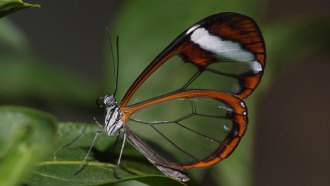
Uncovering secrets of the glasswing butterfly’s see-through wings
The tricks of its transparency include sparse, spindly scales and a waxy coated membrane.
- Physics
Nuclear clocks are nearly here
More precise clocks could improve technologies such as GPS and help scientists test major ideas in science.
- Health & Medicine
Will we all need COVID-19 booster shots?
Experts say not yet, but booster vaccines may be coming as new SARS-CoV-2 virus variants keep emerging.
- Chemistry
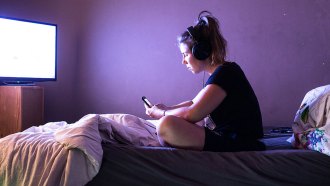
Sleep-friendlier lighting is on the way
Chemists have created a new glowing material for LEDs. It should lessen how much near-bedtime lighting impairs your ability to nod off.
- Animals
Mantis shrimp inspires somersaults of new soft robot
Its rolling acrobatics allow this robot to move especially swiftly — much as a fictional new Disney character can.