HS-ETS1-2
Design a solution to a complex real-world problem by breaking it down into smaller, more manageable problems that can be solved through engineering.
- Brain
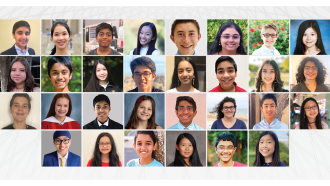
Ask the experts: How to create a top-notch science fair project
Five finalists in the Broadcom MASTERS middle-school competition reveal how they created nationally competitive projects.
- Animals
Bacteria make ‘spider silk’ that’s stronger than steel
Part spider silk, the material is better than what some spiders make. Researchers think it might make the basis for surgical threads or unusually strong fabrics.
- Tech
Will you learn better from reading on screen or on paper?
Some studies find students don’t learn as well by reading on screens as from paper. But that's not always true. Here’s how to make the most of reading in either format.
- Chemistry
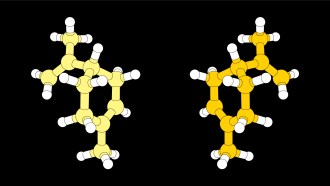
Chemists win Nobel Prize for faster, cleaner way of making molecules
Both scientists independently came up with new process — asymmetric organocatalysis. That name may be a mouthful, but it’s not that hard to understand.
- Brain
A sense of touch could upgrade virtual reality, prosthetics and more
Scientists and engineers are trying to add touch to online shopping, virtual doctor appointments and artificial limbs.
- Climate
Research on climate and more brings trio the 2021 physics Nobel Prize
Syukuro Manabe and Klaus Hasselmann pioneered work on simulations of Earth’s climate. Giorgio Parisi probed complex materials.
- Brain
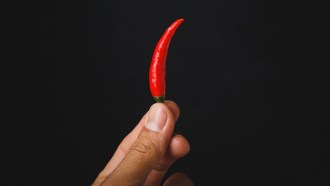
A 2021 Nobel goes for discovering how our body reads touch sensations
David Julius and Ardem Patapoutian found nerve-cell sensors for temperature, pain and pressure.
- Ecosystems
Cheatgrass thrives on the well-lit urban night scene
Middle-grade campers team up with ecologists at Denver University to show that streetlights boost the growth of a reviled invasive species.
- Tech
Synthetic trees could tap underground water in arid areas
They also could also help coastal residents mine fresh water from salty sources.
- Animals
Will the woolly mammoth return?
Scientists are using genetic engineering and cloning to try to bring back extinct species or save endangered ones. Here’s how and why.
- Health & Medicine
Cannabis may alter a teen’s developing brain
Marijuana use between ages 14 and 19 was linked to faster thinning of brain regions important in decision-making.
- Materials Science
Tiny swimming robots may help clean up a microplastics mess
Big problem, tiny solution. Researchers in the Czech Republic have designed swimming robots that can help collect and break down microplastics.