HS-LS1-1
Construct an explanation based on evidence for how the structure of DNA determines the structure of proteins which carry out the essential functions of life through systems of specialized cells.
- Health & Medicine
Toddler now thrives after prenatal treatment for a genetic disease
Ayla was treated before birth for the rare, life-threatening Pompe disease. Now a thriving 16-month-old toddler, her treatments will still need to continue.
- Genetics
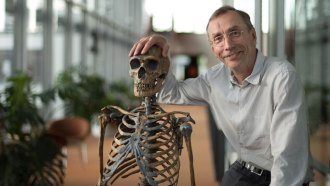
Examining Neandertal and Denisovan DNA wins a 2022 Nobel Prize
Svante Pääbo figured out how to examine the genetic material from these hominid ‘cousins’ of modern humans.
- Animals
Living mysteries: This critter has 38 times more DNA than you do
The genomes of salamanders are bloated with genetic “parasites.” That extra DNA slows down their lives and strands them in perpetual childhood.
- Genetics
Explainer: What is sickle cell disease?
Gene mutations can alter an individual’s hemoglobin in ways that curl their blood cells. This can cause painful sickle cell disease.
- Health & Medicine
Explainer: The body’s immune system
An army of cells — and their protein arsenal — work to keep us safe. Several squads of special forces possess unique superpowers to disable or kill intruders.
- Animals
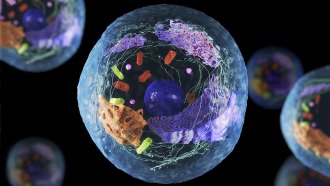
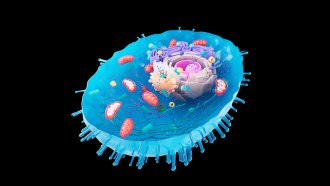
Explainer: Cells and their parts
Life as we know it depends on the coordination of structures inside cells — whether a living thing has only a single cell or trillions of them.
- Animals
A new drug mix helps frogs regrow amputated legs
The treatment helped frogs grow working limbs useful for swimming, standing and kicking. It’ll be a while before people can do that.
- Life
Scientists Say: Eukaryote
Eukaryotes are living things whose cells package their genetic material inside a pouch called a nucleus.
- Animals
DNA in air can help ID unseen animals nearby
Analyzing these genetic residues in air offers a new way to study animals. It could give scientists a chance to monitor rare or hard to find animals.
- Genetics
Explainer: What is RNA?
A partner to DNA, cells use this molecule to translate the instructions for making all of the many proteins that your body needs to function.
- Animals
Engineers surprised by the power of an elephant’s trunk
An elephant's trunk can suck air through it fast — at more than 335 miles per hour (150 meters per second)!
- Plants
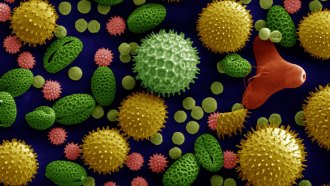
Scientists Say: Pollen
Pollen is a mass of tiny reproductive cells. These grains combine with egg cells to form seeds — but on the way, they can make some people miserable.