HS-LS1-2
Develop and use a model to illustrate the hierarchical organization of interacting systems that provide specific functions within multicellular organisms.
- Science & Society
Let’s learn about reading
Reading can be fun — but it can also be really hard. New research is exploring how to make reading easier for people of all ability levels.
- Health & Medicine
Wildfire smoke seems to pose its biggest health risk to kids
New studies, some of them in young monkeys, point to vulnerabilities affecting kids' airways, brains and immune systems.
- Animals
Why these jumping toadlets get confused mid-flight
The tiny pumpkin toadlet tumbles when it jumps. Its ear canals may be too tiny to help the animal track its motion through the air.
- Animals
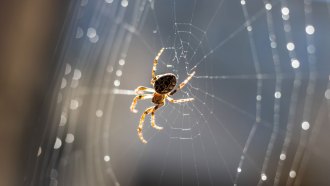
Orb-weaving spiders use their webs like external eardrums
Scientists discover that orb-weaving spiders listen with their legs, detecting sound vibrations that travel through their silken webs.
- Ecosystems
Some redwood leaves make food while others drink water
The two types of leaves grow at different heights in trees at dry versus wet areas. They may help redwoods adapt to climate change.
- Plants
Electric shocks act like vaccines to protect plants from viruses
To protect crops against viruses in their home country of Taiwan, two teens invented a novel approach to fight blights.
- Health & Medicine
Sickle-cell gene therapies offer hope — and challenges
Doctor Erica Esrick discusses existing treatments and an ongoing clinical trial for a gene therapy to treat sickle cell disease.
- Genetics
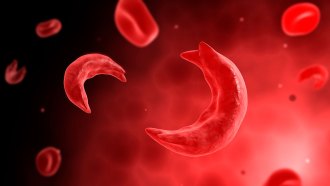
Explainer: What is sickle cell disease?
Gene mutations can alter an individual’s hemoglobin in ways that curl their blood cells. This can cause painful sickle cell disease.
- Health & Medicine
Explainer: The body’s immune system
An army of cells — and their protein arsenal — work to keep us safe. Several squads of special forces possess unique superpowers to disable or kill intruders.
- Chemistry
Scientists Say: Cellulose
Cellulose is an abundant natural polymer found in plants and algae. It’s used to make everything from paper to clothing.
- Animals
La nutria soporta el frío, sin un cuerpo grande ni capa de grasa
Al mamífero más pequeño del mar no le es fácil mantenerse caliente. Ahora, los científicos han descubierto cómo sus células responden al desafío.
- Animals
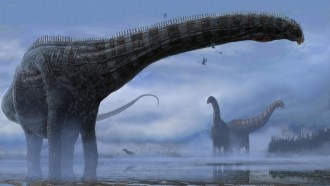
Dinos may have had the sniffles 150 million years ago
A respiratory infection that spread to air sacs in the vertebrae of a sauropod dinosaur likely led to the dino's now-fossilized bone lesions.