HS-LS2-2
Use mathematical representations to support and revise explanations based on evidence about factors affecting biodiversity and populations in ecosystems of different scales.
- Health & Medicine
Newly discovered microbe keeps teeth healthy
A newfound bacterium halts the tooth erosion that leads to cavities. This germ or one like it might one day be added to toothpaste or mouthwash.
- Health & Medicine
Scientists link Zika to nerve disease
The Zika virus is spreading in the Americas. There has also been an uptick in cases of Guillain-Barré syndrome. Scientists think the two are linked.
- Animals
Parasites give brine shrimp super powers
When infected with parasitic worms, brine shrimp survive better in waters laced with toxic arsenic, a new study finds.
- Health & Medicine
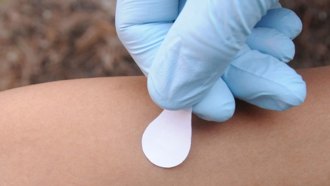
Ouchless measles vaccine could save lives
A new ‘ouchless’ vaccine patch that uses dissolving microneedles could make efforts to vaccinate against measles more practical.
- Health & Medicine
The truth about zits
A common bacterium called P. acnes usually helps keep the skin healthy. But under some conditions, and especially during puberty, it can trigger painful, embarrassing outbreaks of unsightly pimples.
- Genetics
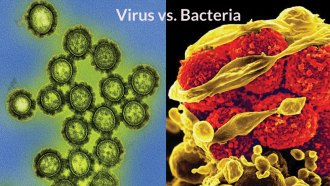
Behavior of genes could identify type of infection
The behavior of hundreds of genes can identify a viral infection, a new study finds. That could help doctors determine treatment for a sick patient.
- Animals
Wildlife forensics turns to eDNA
Environmental DNA, or eDNA, tells biologists what species have been around — even when they’re out of sight or have temporarily moved on.
- Chemistry
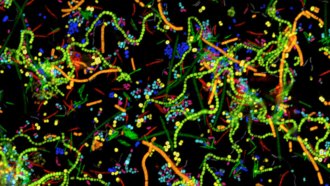
Slime cities
Biofilms are like tiny cities of bacteria — some harmless, others destructive. Scientists are learning how to keep these microscopic metropolises under control.
- Animals
Humans are ‘superpredators’
A new study compares the hunting habits of wild animals and humans. People, it turns out, are unlike any other predator on Earth.
- Earth
Cool Jobs: Finding foods for the future
What's for dinner... tomorrow? Scientists are developing new foods to meet the demands of the growing population in a changing world.
- Agriculture
Weed killers may go from plant to pooch
Dogs love to roll around in the grass. But if there is weed killer around, it could end up on — and in — our furry pals.
- Agriculture
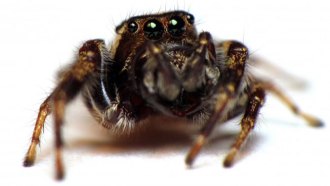
Insecticide can change a spider’s personality
A chemical meant to kill moths affects the behavior of some spiders. It alters the spiders’ ability to capture prey — including those moths.